
Did you know that over 90% of affiliate pages never make it to page one of Google?
I didn’t believe that stat the first time I heard it. Then I looked at my own early affiliate sites… and yeah, it checked out.
I had the offers. I had traffic. I even had pretty decent content (or so I thought). But rankings? Nope. Conversions? Worse. What finally clicked for me was this simple truth: on-page SEO is where affiliate sites live or die. Not backlinks. Not shiny tools. The boring basics, done right.
This guide is the on-page SEO checklist I wish I had followed from day one. It’s practical, opinionated, and built from trial, error, frustration, and a few “oh wow, that actually worked” moments. Let’s get into it.
Keyword Research & Search Intent Alignment
This is where most affiliate sites quietly fail.
Early on, I made the classic mistake of targeting keywords that sounded profitable but didn’t actually convert. Stuff like “what is web hosting” instead of “best web hosting for small businesses.” Same niche. Totally different intent.
Affiliate SEO lives and dies on search intent.
Here’s what I’ve learned the hard way:
First, every affiliate page should have one clear primary keyword. One. Not three. Not five variations jammed into the title. Pick the main phrase and build everything around it.
Second, you must understand intent types:
- Transactional: “best”, “buy”, “discount”, “review”
- Commercial investigation: comparisons, alternatives, vs pages
- Informational: guides that support money pages
Affiliate sites should lean heavily into transactional and commercial keywords, with informational content supporting them through internal links.
I now map keywords before writing a single word. It prevents cannibalization, keeps content focused, and makes Google’s job easier. And when Google’s happy… rankings tend to follow.
SEO-Optimized Title Tags & Meta Descriptions
I used to treat titles like an afterthought. Big mistake.
Your title tag is the single most important on-page SEO element. Period. It affects rankings and click-through rate, which Google absolutely pays attention to.
What works consistently for affiliate sites:
- Put the primary keyword near the front
- Add a modifier like best, review, comparison, 2025
- Make it sound human, not robotic
Example:
Best Email Marketing Tools for Small Businesses (2026 Reviews)
Meta descriptions don’t directly affect rankings, but they do affect clicks. And clicks matter.
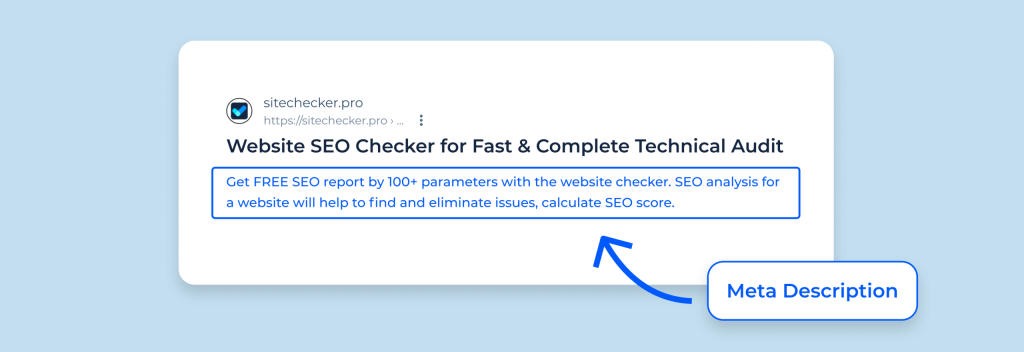
I write meta descriptions like mini ads:
- Clear benefit
- Mention of reviews, comparisons, or savings
- Subtle urgency or curiosity
Avoid duplicates across pages. I once had 40 pages with the same meta description. Google basically ignored half the site. Lesson learned.
URL Structure & Internal Linking Strategy
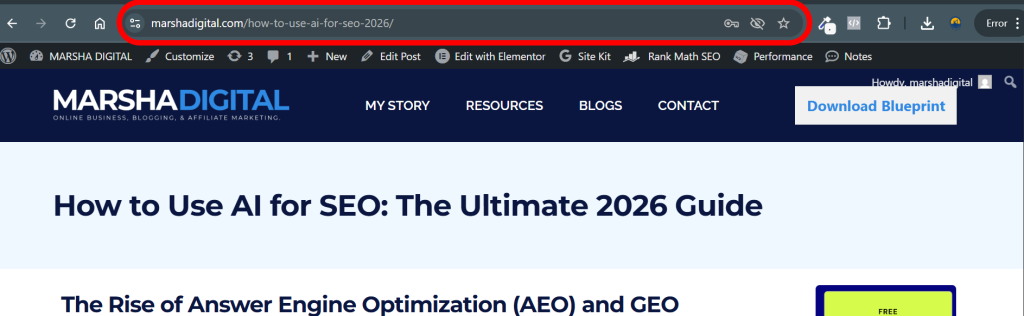
Clean URLs are underrated.
I used to let WordPress auto-generate URLs. That resulted in long, ugly slugs packed with filler words. These days, I keep URLs:
- Short
- Lowercase
- Keyword-focused
Example:
/best-wordpress-hosting/
instead of
/2025/03/best-wordpress-hosting-for-small-businesses-guide/
Internal linking is where affiliate SEO really compounds.
Every informational post should support a money page. I link contextually, using natural anchor text—not exact-match spam anchors. Google’s smart. Overdoing it looks desperate.
A solid internal linking structure:
- Builds topical authority
- Passes link equity
- Helps Google understand page relationships
And yes, it improves conversions too. I’ve seen clicks double just by fixing internal links.
Content Optimization for Affiliate SEO
Let’s be blunt: thin affiliate content doesn’t rank anymore.
I’ve watched entire sites disappear because they were basically rewritten product descriptions with affiliate links slapped in. Google hates that. Users hate it more.
What works now is experience-based content.
I structure affiliate articles like this:
- Clear H1 with primary keyword
- Logical H2s answering real questions
- Pros and cons (honest ones)
- Comparison tables
- FAQs pulled from real searches
I also place keywords naturally:
- First 100 words
- One H2
- A few times in the body
No stuffing. Ever.
When content actually helps the reader decide, rankings tend to stick. That’s the goal—sticky rankings, not temporary spikes.
Image Optimization for Affiliate Pages
This one surprised me when I first tested it.
Large, uncompressed images absolutely destroy page speed. And page speed affects rankings, conversions, and user patience. Nobody waits anymore.
My image checklist:
- Compress images before upload
- Use descriptive file names (not IMG_3929.jpg)
- Add alt text that describes the image naturally
- Avoid stock images when possible
Original images—screenshots, comparison visuals, simple graphics—build trust. I’ve seen bounce rates drop just by swapping generic stock photos with custom visuals.
Bonus: image optimization also helps accessibility, which Google quietly rewards.
Affiliate Link Optimization & Placement
This is where many people get greedy.
I’ve done it. Too many links. Buttons everywhere. Text links stacked on top of each other. It tanks trust.
Here’s what I stick to now:
- Fewer links, placed intentionally
- Clear calls to action
- Links where a decision naturally happens
Affiliate links should use:
rel="sponsored"orrel="nofollow sponsored"- Descriptive anchor text
- Tracking through plugins or clean redirects
And always—always—include an affiliate disclosure. Not just for legal reasons, but trust. People appreciate honesty. It actually improves conversions.
Page Experience & Technical On-Page SEO
Google doesn’t separate content from experience anymore. It’s all one thing.
Core Web Vitals matter:
- LCP: fast loading
- CLS: no layout jumping
- INP: responsive interactions
Most affiliate sites struggle here because of:
- Heavy themes
- Too many scripts
- Bloated page builders
I keep themes lightweight, minimize plugins, and test pages regularly. Mobile comes first. Most affiliate traffic is mobile now—ignore that and you’re done.
Schema markup is another quiet win:
- Product schema
- Review schema
- FAQ schema
It doesn’t guarantee rankings, but it improves visibility and click-through rate. Worth the effort.
Trust Signals & E-E-A-T Optimization
This is the part many affiliate marketers avoid… because it takes work.
Google wants real people with real experience.
What I add to every serious affiliate site:
- Author bio with credentials or experience
- About page that doesn’t feel fake
- Clear contact information
- Honest reviews, including negatives
I also reference authoritative sources when needed. It shows I’m not making things up. Over time, this builds topical authority, which is incredibly hard to fake.
Trust isn’t optional anymore. It’s a ranking factor in disguise.
Conclusion
On-page SEO is the foundation of affiliate marketing success. You can chase backlinks, test offers, and swap themes all day—but if your pages aren’t properly optimized, you’re fighting uphill.
This On-Page SEO Checklist for Affiliate Marketing Websites isn’t about tricks. It’s about doing the basics better than most people are willing to. And honestly? That’s enough to win in many niches.
Use this as a working checklist. Every post. Every update. Every audit. Small improvements compound fast in affiliate SEO.
If you’ve learned any on-page SEO lessons the hard way, I’d love to hear them. Drop a comment and let’s compare notes. That’s how we all get better.
One Response
I’ve been surfing online more than 3 hours today, yet I never found any interesting article like yours.
It is pretty worth enough for me. In my opinion, if all site owners and bloggers made
good content as you did, the internet will be much more useful than ever before.