What Is Passive Income and How Does It Work?
I used to think passive income meant money magically showing up in your bank account while you lounged on a beach sipping something with a tiny umbrella in it. That’s how it gets sold online sometimes, right? “Make money while you sleep!” Sounds amazing. The problem is, I bought into that idea a little too hard early on, and man, was I disappointed.
The first time I tried to earn passive income online, I honestly expected results within a few weeks. I had read a couple blog posts about affiliate marketing and digital products, spent an entire weekend putting together a simple ebook, and figured the recurring revenue would start rolling in. Spoiler alert: it didn’t. I think I made exactly $3.47 during the first month. It was humbling.
That’s when I learned the biggest lesson about passive income ideas: most of them aren’t truly passive in the beginning.
Passive income is money earned from an asset, investment, or system that continues generating cash flow after the initial setup work has been done. Unlike active income, where you’re trading time directly for money, passive income creates opportunities for residual income over time.
For example, if you’re paid hourly at a job, you stop earning when you stop working. That’s active income.
With digital passive income, you might spend weeks creating an online course, writing an ebook, building a niche website, or setting up a print-on-demand business. The work is front-loaded. Later, sales may continue with minimal daily effort. It was explained to me once as “planting fruit trees instead of buying fruit every day,” and honestly, that’s stuck with me.
One mistake I made was chasing too many side hustle ideas at once. I tried blogging, affiliate programs, stock photography income, and even researched YouTube monetization all within a few months. Nothing gained traction because my focus was scattered. I wasn’t building systems. I was collecting hobbies disguised as business models.
If you’re wondering how to earn passive income without getting overwhelmed, I’d suggest picking one strategy and sticking with it for at least six months.
A few beginner passive income ideas that tend to be more realistic include:
- Dividend investing through established dividend stocks.
- Opening a high-yield savings account for low-risk investment income.
- Selling digital downloads like templates or guides.
- Building a blog and using blog monetization methods such as display ads and affiliate marketing.
- Creating evergreen content that attracts long-term traffic.
Here’s another thing people don’t talk about enough: passive income still requires maintenance. Blog posts need updates. Online courses benefit from improvements. Investment strategies should be reviewed occasionally. Even automated income streams aren’t completely hands-off.
And that’s okay.
The myth that passive income equals easy money has probably caused more frustration than almost anything else in personal finance. Some systems can become semi-passive income sources, but they are usually built through consistency, patience, and smart money habits.
I wish somebody had told me that sooner.
The exciting part, though? Once those systems start working, even slowly, it’s a pretty incredible feeling. Seeing your first affiliate commission arrive overnight or earning from a digital product you created months ago can shift your entire mindset about financial independence.
Passive income in 2026 isn’t about shortcuts. It’s about building assets that can generate cash flow, diversify your income streams, and help you build wealth over time. It ain’t always glamorous, and you’ll probably mess up a few times like I did. But if you stay with it, those small wins have a funny way of adding up.
Why Passive Income Matters More Than Ever in 2026
I remember a time when having one steady paycheck felt like enough. You got a job, worked hard, maybe put a little money into savings, and that was the plan. Simple. Predictable. Lately though? It feels like more people are realizing that depending on a single source of income can be a bit nerve-wracking.
I had a conversation with a friend a while back who said, “I don’t even want to be rich anymore. I just want options.” That stuck with me.
Because honestly, that’s what a lot of passive income ideas are really about. Options.
The rising cost of living has made people pay attention to their finances in a way they maybe hadn’t before. Groceries creep up in price. Utility bills seem to have a personality of their own. Unexpected expenses pop out of nowhere like they were invited to the party. It was noticed by many households that stretching one paycheck further each month was becoming harder than it used to be.
That’s one reason why multiple income streams have become less of a luxury and more of a strategy.
I used to think building extra income streams was something only entrepreneurs talked about. Then I watched perfectly responsible people scramble when overtime hours disappeared or budgets got tightened. It wasn’t laziness. It wasn’t poor planning. Life just happened.
That realization completely changed how I viewed financial freedom.
Passive income in 2026 isn’t necessarily about quitting your job and living on a beach somewhere. Most folks I know simply want breathing room. They want enough recurring revenue to cover a car payment, contribute to retirement income strategies, fund family vacations, or build an emergency fund without constantly stressing.
Even an extra $200 to $500 per month can make a huge difference.
One thing that surprised me was how accessible online income opportunities have become. Years ago, starting an online business felt complicated and expensive. You needed technical knowledge, specialized equipment, or connections.
Now? Not so much.
Someone can create digital downloads from their laptop. Another person can start affiliate marketing by sharing products they genuinely use. Others make money blogging about hobbies they’ve loved for years. The creator economy has opened doors that simply weren’t available to everyday people before.
Of course, there are frustrations too.
I remember getting overwhelmed after reading about twenty different passive business ideas in one sitting. Dividend investing sounded smart. YouTube passive income looked exciting. Real estate investing appeared impressive. Print-on-demand businesses seemed easy enough.
Suddenly I had analysis paralysis.
I wanted to do everything, which meant I accomplished exactly… nothing.
Eventually, I learned that income diversification doesn’t happen overnight. The people building long-term wealth creation usually start with one future-proof income stream. They learn the process, improve it, and only then branch out into other scalable business models.
That approach felt boring at first.
Turns out, boring can be pretty effective.
Another thing worth mentioning is that technology has shifted the job market in ways that nobody fully predicted. Automation handles tasks that once required employees. Industries evolve. Skills that are valuable today may need updating tomorrow.
Having investment income, digital passive income, or even a modest side hustle can provide a sense of stability during uncertain times.
It doesn’t eliminate risk entirely. Nothing does.
But having diversified income streams means your financial life isn’t resting on a single pillar. If one source slows down, another may help bridge the gap. That’s just smart money habits, not fear-based planning.
And look, I still believe active income matters. Most passive income streams are built using money, skills, or time earned from traditional work. There’s absolutely nothing wrong with that.
The goal isn’t to escape work altogether.
The goal is to create choices.
Maybe passive income helps you save for retirement a little faster. Maybe it gives you the confidence to pursue a passion project. Maybe it simply allows you to sleep better knowing you have extra cash flow generation happening behind the scenes.
Whatever the reason, passive income matters more than ever in 2026 because flexibility has become valuable. Financial independence doesn’t always arrive in one giant leap. More often, it’s built one small, consistent step at a time.
And if I’ve learned anything, it’s this: starting imperfectly beats waiting for the perfect moment that never seems to show up.
Investing in Dividend Stocks for Recurring Income
I’ll be honest with you. The first time someone explained dividend investing to me, my eyes glazed over a little bit. Stocks already sounded intimidating enough, and then they started talking about “yield,” “payout ratios,” and reinvesting dividends. I nodded along like I understood everything, went home, and immediately opened about twelve browser tabs trying to decode what I’d just heard.
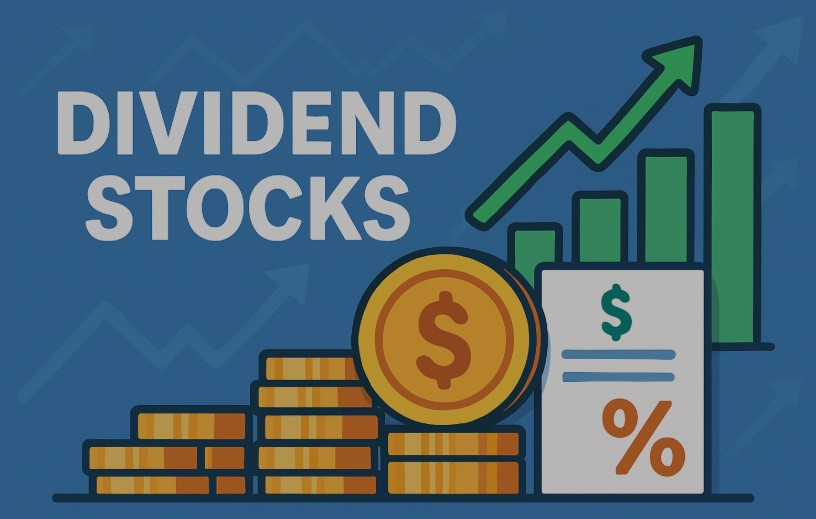
What finally clicked for me was this: dividend stocks are simply shares of companies that pay you a portion of their profits on a regular basis. That’s it.
It sounds a lot less scary when you strip away the fancy language.
Think about it this way. If you owned a small bakery with a friend and the business made extra profit every quarter, you might decide to split some of those earnings instead of keeping every dollar in the business. Dividend-paying companies do something similar. They distribute part of their profits to shareholders, often every three months.
That realization changed the way I looked at investment income.
I used to believe passive income had to involve building websites, creating digital products, or launching side hustle ideas online. Dividend investing showed me that wealth building strategies don’t always require constant content creation or learning complicated software.
Sometimes, your money can do some of the heavy lifting.
Now, I made mistakes in the beginning. Oh boy.
I chased high dividend yields because bigger numbers looked exciting. One company was advertising an incredibly attractive yield, and I remember thinking, “Well, obviously this is the best deal.” I didn’t bother looking into the company’s financial health, earnings stability, or payout ratio.
A few months later, the dividend was reduced.
Lesson learned.
One practical tip I’d give beginners is this: don’t focus solely on the highest yield. A company paying a steady 3% dividend backed by strong cash flow can be far more reliable than one promising 10% that may not be sustainable.
Consistency matters.
When evaluating dividend stocks, I started paying attention to a few specific factors:
- A history of paying dividends consistently.
- Companies with strong earnings and manageable debt.
- Reasonable payout ratios, often below 60% to 70%.
- Businesses with products and services people continue using during different economic conditions.
- Long-term growth potential alongside dividend payments.
I also discovered the magic of dividend reinvestment, which honestly felt almost unfair once I understood it.
Instead of taking the cash payouts, many investors choose to automatically buy additional shares through dividend reinvestment plans, often called DRIPs. Those new shares can generate their own dividends. Then those dividends buy more shares.
It’s compounding.
It’s slow. Sometimes painfully slow.
But wow, over time, it can become powerful.
I remember checking my account after one year and thinking, “Wait… I got paid just for owning these?” The amount wasn’t life-changing. It wouldn’t even cover a fancy dinner. But psychologically, something shifted.
For the first time, I understood what recurring revenue actually felt like.
Now, I do think it’s important to keep realistic expectations. Dividend investing is not a get-rich-quick strategy. If you’re hoping to replace a full-time income next month with a few hundred dollars invested, you’re probably setting yourself up for disappointment.
Building meaningful passive income through dividend stocks usually requires patience, regular contributions, and time.
The good news? You don’t need thousands of dollars to start.
One of the biggest myths around investment strategies is that you need to be wealthy before investing. Many brokerage platforms allow people to buy fractional shares, meaning you can invest smaller amounts consistently. Even setting aside $25 or $50 each month can help build the habit.

And honestly, the habit might be the most valuable part.
There were months when the market dipped and I questioned whether I was doing the right thing. Watching account values fluctuate can test your nerves a little. It was frustrating at times. But dividend investing taught me to focus less on short-term noise and more on long-term wealth creation.
That’s not to say there aren’t risks.
Companies can cut dividends. Markets can decline. Economic downturns happen. Diversification is important, and no single stock should carry your entire financial future on its shoulders.
What I’ve come to appreciate most about dividend investing is that it represents a different way of thinking about money. Instead of constantly asking, “How can I earn more?” you begin asking, “How can my assets generate cash flow for me?”
That’s a powerful shift.
If you’re exploring passive income ideas in 2026, dividend stocks deserve a spot on your list of possibilities. They’re not flashy. They won’t make for dramatic social media posts. In fact, they’re kinda boring.
But sometimes boring wins.
And if your goal is financial independence, investment income, and building wealth over time, boring can be exactly what gets you there.
Earn Passive Income Through High-Yield Savings Accounts and CDs
I know this section isn’t going to get people jumping out of their seats with excitement. High-yield savings accounts and certificates of deposit? Not exactly the stuff of viral TikTok videos. But hear me out, because these two passive income ideas taught me one of the most important lessons in personal finance: not every dollar you own needs to be chasing maximum returns.

For the longest time, I ignored savings accounts completely.
I had bought into the idea that if my money wasn’t invested aggressively, I was somehow “doing it wrong.” Dividend investing sounded smarter. Real estate investing seemed cooler. Even affiliate marketing felt more exciting than parking cash in a bank account.
Then life happened.
An unexpected home repair landed on my lap at the same time another expense showed up. Suddenly, I needed cash. Real cash. Not money tied up in investments that I’d have to sell at an inconvenient time.
That’s when I realized liquidity matters.
A high-yield savings account works a lot like a traditional savings account, except it pays a much better interest rate. The bank pays you interest simply for keeping your money there. The rates can change over time, but they’re generally much higher than what many standard savings accounts offer.
The funny thing is, I had spent years chasing complicated passive income streams while overlooking one of the easiest forms of investment income available.
No setup.
No content creation.
No customer service emails.
No wondering if Google changed its algorithm overnight.
The money just sat there earning interest.
Was it exciting? Nope.
Was it useful? Absolutely.
I started treating my high-yield savings account as a buffer between me and financial chaos. My emergency fund lived there. Money earmarked for short-term goals stayed there too.
It wasn’t designed for long-term wealth creation.
It was designed to help me sleep better at night.
And honestly, that’s underrated.
Now, certificates of deposit, or CDs, took me a little longer to appreciate.
At first, they sounded restrictive. You agree to leave your money untouched for a fixed period of time, and in exchange, the bank offers a guaranteed interest rate. Pull your money out early, and you may face penalties.
My first reaction?
“No thanks.”
I liked flexibility.
But after learning more, I realized CDs actually serve a purpose. If you know you won’t need certain funds for six months, one year, or even longer, locking in a predictable return can be incredibly appealing.
Especially if you’re someone who values stability over chasing every market trend.
One practical strategy I eventually discovered was called CD laddering.
It sounds complicated, but it’s really not.

Instead of putting all your money into one certificate of deposit, you spread it across multiple CDs with different maturity dates. For example:
- One CD maturing in six months.
- Another maturing in twelve months.
- Another maturing in eighteen months.
- Another maturing in twenty-four months.
As each CD matures, you can reinvest the funds or use the cash if needed.
It provides a balance between accessibility and earning potential.
I wish someone had explained that to me years earlier because I had assumed CDs were only for retirees or ultra-conservative investors.
Turns out, they’re just another tool.
One mistake I almost made was treating high-yield savings accounts and CDs like complete replacements for investing. They’re not.
If your goal is aggressive growth and building significant wealth over decades, investment strategies involving dividend stocks, index funds, or other assets may offer higher potential returns.
But they also come with more volatility.
High-yield savings accounts and CDs serve a different purpose.
They help preserve capital.
They provide predictable cash flow generation.
They reduce the temptation to panic-sell investments during market downturns because you know your short-term needs are covered elsewhere.
And that emotional benefit? It’s hard to put a price tag on it.
I also learned that these accounts are especially useful for beginner passive income seekers who aren’t comfortable taking big risks right away. Not everyone wants to jump headfirst into online entrepreneurship or semi-passive income opportunities.
Some people just want a safe place to start.
And there’s absolutely nothing wrong with that.
One thing worth paying attention to is inflation. If inflation rises faster than the interest you’re earning, your purchasing power can slowly decline over time. That’s one reason these accounts shouldn’t necessarily become your only wealth-building strategy.
Still, in the broader conversation about passive income 2026, I think they deserve more respect than they usually get.
Financial freedom isn’t built through one magical income stream.
It’s built through smart money habits.
Sometimes that means taking calculated risks. Other times, it means protecting the money you’ve already worked hard to earn. It means understanding that different financial tools serve different purposes.
High-yield savings accounts and CDs won’t make you rich overnight. They probably won’t fund an early retirement on their own either.
But they can create stability, generate modest recurring revenue, and give you confidence that your financial foundation is solid.
And honestly, that’s a pretty great place to build from.
Create and Sell Digital Products
If there’s one passive income idea I underestimated for way too long, it was selling digital products.
I assumed the market was saturated. Everybody already had ebooks. Everyone was selling templates. Surely nobody needed another printable budget planner or social media checklist, right?
I was wrong.
The funny part is that my first digital product wasn’t some brilliant business idea. It was actually born out of pure frustration. I had created the same spreadsheet template for myself three different times because I kept misplacing the original file. After rebuilding it again, I remember thinking, “There has to be someone else who needs this.”

That tiny thought changed everything.
I cleaned up the spreadsheet, added instructions that made sense to an actual human being, and listed it for sale as a digital download. I didn’t spend weeks perfecting it. The design wasn’t award-winning. In fact, looking back at it now, it was a little rough around the edges.
But it solved a problem.
And that’s the thing I wish more people understood about selling digital products. People don’t buy files. They buy solutions.
A bride planning her wedding isn’t purchasing a printable planner because she loves PDFs. She’s buying peace of mind.
A small business owner downloading an invoice template isn’t excited about spreadsheets. They want to save time.
A student buying study guides wants less stress before exams.
Once I stopped focusing on what I wanted to create and started paying attention to what people actually needed, the ideas became much easier to find.
I made plenty of mistakes along the way, though.
My first ebook was way too broad. I tried covering everything I knew about a topic in one giant guide. It became overwhelming to create and honestly overwhelming to read. Sales were… let’s just say they weren’t exactly flying off the digital shelves.
Eventually, I learned that specificity sells.
Instead of creating “The Ultimate Guide to Budgeting,” create “A Budget Planner for Freelancers with Irregular Income.”
Instead of “Social Media Templates,” try “Instagram Story Templates for Local Real Estate Agents.”
Niche products often outperform generic ones because they solve very specific pain points.
That lesson was earned the hard way.
Some digital products that tend to perform well include:
- Printable planners and journals.
- Spreadsheet templates.
- Ebook publishing projects.
- Business checklists.
- Meal planning guides.
- Educational worksheets.
- Resume templates.
- Canva design templates.
- Social media content calendars.
- Photography presets.
- Digital planners for tablets.
- Notion productivity templates.
One thing I absolutely love about digital passive income is the scalability.
When I worked traditional jobs, I traded hours for dollars. If I wanted to earn more money, I usually had to work more hours.
Digital products operate differently.
You create something once.
You sell it multiple times.
Of course, “create once” isn’t entirely true. Updates happen. Customer questions pop up. Improvements are usually needed. It was discovered pretty quickly that even automated income streams require occasional maintenance.
Still, compared to starting from scratch each day, it’s incredibly efficient.
One practical tip I’d offer is to avoid spending months building a product nobody has asked for.
I almost made that mistake.
Now, before creating anything substantial, I pay attention to comments, questions, online communities, and common frustrations. What are people struggling with? What keeps coming up repeatedly?
Those questions often reveal profitable niches.
Another game changer was simplifying delivery.
Early on, I manually emailed files after each sale because I thought automation sounded complicated. I cannot tell you how ridiculous that became. I’d be checking messages during dinner or late at night, trying not to forget attachments.
It was chaos.
Eventually, I set up automated delivery systems through digital marketplaces and ecommerce tools. Orders were fulfilled instantly without me lifting a finger.
Game. Changer.
And let’s talk about pricing for a second because I wrestled with this way more than I should have.
I underpriced my products badly at first.
I assumed nobody would pay more than a few dollars, so I priced everything low. The problem? Low prices sometimes communicate low value. It also meant I needed a huge number of sales just to earn meaningful extra income.
Raising prices felt terrifying.
Yet almost nothing changed except my revenue improved.
Turns out, people are often willing to pay fair prices for products that save them time, reduce stress, or help them achieve a goal faster.
Imagine that.
One frustration I didn’t anticipate was self-doubt.
I’d compare my simple templates to beautifully designed products from creators with years of experience. I’d convince myself mine weren’t good enough. I almost quit more than once because of that mindset.
Thankfully, I didn’t.
Because readers and buyers don’t always need perfection.
They need usefulness.
They need clarity.
They need solutions that actually work.
If you’re looking for passive income ideas in 2026, selling digital products remains one of the most accessible opportunities available. Startup costs are relatively low. The creator economy continues to grow. And the ability to generate recurring revenue without managing physical inventory is pretty incredible.
Will your first product be perfect?
Probably not.
Mine certainly wasn’t.
But every product teaches you something. Every customer interaction reveals new insights. Over time, those small lessons stack up and can become a meaningful source of cash flow generation and long-term wealth creation.
Start small.
Solve one problem.
Then let your digital shelves grow from there.
Build a Blog That Generates Ongoing Revenue
I still remember publishing my first blog post and checking the traffic statistics every fifteen minutes like some kind of obsessed day trader. I’d refresh the page, see zero visitors, close the laptop dramatically, then come back an hour later hoping the internet had magically discovered my brilliance.
Spoiler alert: it had not.
I think I got three visitors that first week, and one of them was probably me checking the mobile version.
That’s one reason I laugh a little when people describe blogging as “easy passive income.” Blogging can absolutely become one of the best passive income streams, but passive isn’t the word I’d use during those early months.
Persistent? Yes.
Rewarding? Eventually.
Passive from day one? Not even close.
The biggest mistake I made was writing whatever popped into my head without thinking about search intent or SEO for bloggers. I’d spend four hours crafting thoughtful posts about topics nobody was actually searching for.
I loved writing them.
Google, unfortunately, did not.
That frustration forced me to change my approach. Instead of asking, “What do I want to write today?” I started asking, “What problems are people trying to solve?”
Everything shifted after that.
Blogging creates passive income because evergreen content can continue attracting readers long after it’s published. One well-optimized article has the potential to bring in traffic for months or even years through search engines.
It’s a weird feeling, honestly.
I remember waking up one morning and seeing that a blog post I’d written months earlier had earned affiliate commissions overnight. I hadn’t touched the article in weeks.
That was the first moment I truly understood the appeal of automated income streams.
Of course, blogs don’t make money simply because they exist. You need blog monetization strategies that actually fit your audience.
The most common methods include:
- Display advertising through ad networks.
- Affiliate marketing partnerships.
- Sponsored content opportunities.
- Selling digital products and services.
- Promoting online courses.
- Offering consulting or coaching.
- Building email funnels that nurture readers over time.
I tried display advertising first because it seemed straightforward. More traffic equals more ad revenue.
Simple enough.
The problem? With low traffic numbers, the earnings were tiny. I remember calculating that I’d earned enough to buy a fancy coffee after an entire month.
Not exactly financial independence.
Affiliate marketing ended up making more sense for me because it allowed me to recommend products and tools I genuinely used. If readers found them helpful, I earned commissions.
The key word there is genuinely.
I once promoted something I wasn’t very familiar with because the commission rates looked attractive. Big mistake. Readers could sense the disconnect. The recommendations felt forced, and honestly, I felt weird about it too.
That experience taught me that trust is your biggest blogging asset.
Protect it.
One practical tip I’d give anyone interested in make money blogging opportunities is to focus heavily on evergreen content.
Evergreen content addresses questions people consistently ask over time.
Think:
- “How to start a budget.”
- “Best tools for beginner photographers.”
- “How to meal prep for busy families.”
- “Passive income ideas for beginners.”
Trending topics can provide temporary spikes, but evergreen content often generates the long-term traffic that supports recurring revenue.
I also learned that consistency matters more than perfection.
I’d spend days obsessing over headlines, tweaking fonts, and rearranging paragraphs while avoiding the actual work of publishing. Looking back, I probably delayed posting several articles because I was chasing some imaginary standard.
Readers didn’t care whether my sidebar looked perfect.
They wanted useful answers.
They wanted practical advice.
They wanted somebody who sounded human.
SEO started feeling less intimidating once I understood that it wasn’t about tricking search engines. Good SEO for bloggers means creating content that matches what people are searching for while delivering genuinely helpful information.
Some basic habits made a huge difference:
- Using clear headings.
- Answering questions directly.
- Including semantic keywords naturally.
- Improving readability.
- Updating older articles periodically.
- Linking related content together.
It wasn’t glamorous work.
But it worked.
One of the most surprising parts of blogging was discovering how slowly momentum builds. For months, it felt like shouting into the void. Then suddenly, traffic increased. Email subscribers started arriving. Affiliate commissions trickled in.
Then they trickled in a little faster.
I wish someone had prepared me for that awkward middle stage where you’re working incredibly hard without obvious results. That’s where many people quit.
And I understand why.

Blogging requires patience.
But if you’re willing to stick with it, a blog can evolve into one of the most flexible passive business ideas available. It can support affiliate programs, digital passive income products, sponsored opportunities, and scalable business models that continue generating cash flow long after individual posts are written.
Will every article rank?
Definitely not.
I have posts buried somewhere deep in the internet that never found an audience. It happens.
But all it takes is a handful of helpful, evergreen pieces of content to begin creating something valuable.
If you’re considering passive income in 2026, don’t overlook blogging just because it’s crowded. Every day, people search for answers from someone who understands their struggles and explains things clearly.
Your experiences matter.
Your perspective matters.
And sometimes, that post you almost didn’t publish becomes the one that changes everything.
Start Affiliate Marketing in 2026
If I could go back and give my younger self one piece of advice about affiliate marketing, it would be this: stop treating it like a shortcut.
I cringe a little when I think about how I started.
I had stumbled across a few videos promising that affiliate marketing was basically free money. Post a few links, recommend random products, and watch the commissions roll in while you slept. It sounded almost too good to be true.

Turns out, the “too good to be true” part was the accurate bit.
My first attempt at affiliate marketing was honestly a mess. I signed up for every affiliate program I could find. Kitchen gadgets. Software I’d never used. Fitness products I couldn’t pronounce. I stuffed affiliate links into blog posts like I was hiding vegetables in a kid’s dinner.
It was bad.
And readers noticed.
Nobody clicked.
Nobody bought.
I had completely misunderstood what affiliate marketing actually is.
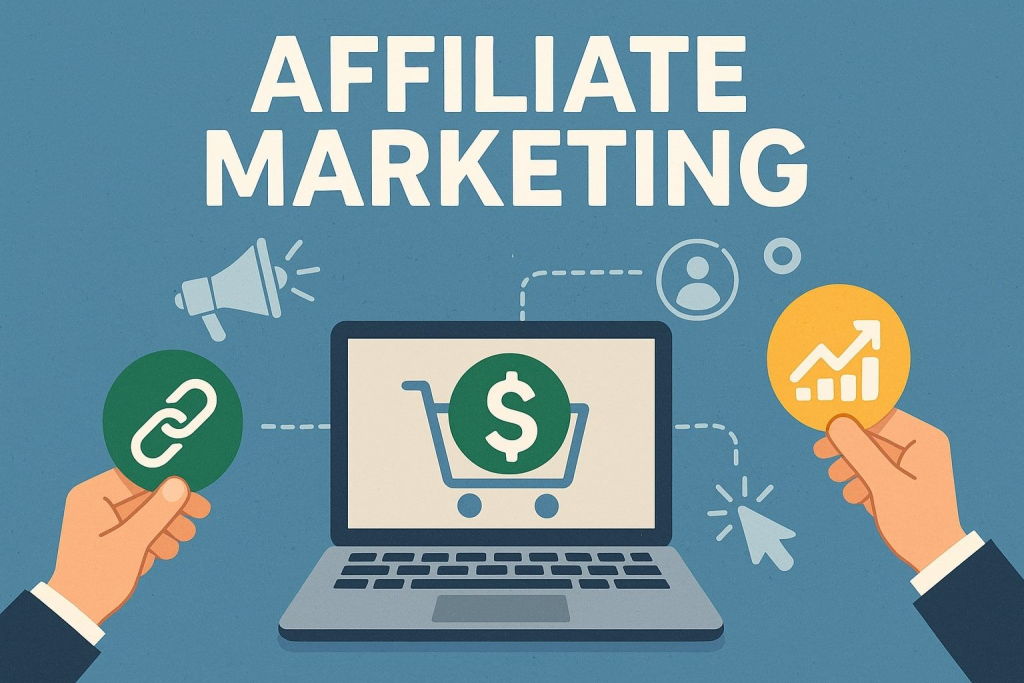
At its core, affiliate marketing is simply earning a commission by recommending products or services that genuinely help your audience. When someone purchases through your referral link, you receive a percentage of the sale.
That’s it.
No magic.
No secret loophole.
No mysterious algorithm that prints money.
What finally changed things for me was shifting my mindset from selling to helping.
I remember writing a detailed review about a tool I had actually used for months. Instead of focusing on features copied from a sales page, I shared the mistakes I’d made, the frustrations I’d experienced, and the specific ways the product solved problems for me.
I even talked about what I didn’t like.
That honesty felt risky.
I thought admitting flaws would hurt conversions.
Ironically, it improved them.
People aren’t looking for perfection. They’re looking for trustworthy recommendations from someone who sounds like an actual person.
One practical tip I learned the hard way is to choose affiliate programs carefully.
It’s tempting to chase high commissions.
I definitely did.
But commission rates don’t mean much if the product is poor quality or irrelevant to your audience. A smaller commission from a trusted recommendation often outperforms larger payouts attached to products nobody needs.
Now, before joining affiliate programs, I ask myself a few questions:
- Would I recommend this if no commission existed?
- Have I personally used it or researched it thoroughly?
- Does it solve a real problem?
- Would I feel comfortable discussing both pros and cons?
- Does it align with my audience’s interests?
If the answer is no, I move on.
One mistake that still makes me laugh was assuming people would automatically click affiliate links just because they were there.
I had blog posts with random text links scattered throughout paragraphs like little landmines.
No context.
No explanation.
Just links.
Shocking absolutely nobody, they performed terribly.
Eventually, I learned that creating content that converts means understanding reader intent.
Someone searching for:
- “Best email marketing software for beginners”
- “Honest budgeting app review”
- “Top cameras for wildlife photography”
- “Best passive income books”
is often much closer to making a purchase decision than someone casually browsing general information.
Meeting readers where they are matters.
Comparison posts worked surprisingly well for me.
So did tutorials.
People appreciate seeing products used in real situations rather than being bombarded with hype. Showing how something fits into everyday life builds confidence and trust.
And trust is everything in affiliate marketing.
I also discovered that disclosures aren’t optional.
At first, I worried that clearly stating I earned commissions would scare readers away. I thought transparency would reduce clicks.
I couldn’t have been more wrong.
Simple disclosures such as explaining that commissions may be earned through recommendations actually strengthened credibility. Readers appreciated knowing exactly how the content was monetized.
Compliance requirements exist for a reason.
Being upfront protects both creators and audiences.
Now, I won’t pretend affiliate marketing is effortless.
Content still needs to be created.
Search engine optimization still matters.
Emails still need writing.
Blog posts require updates.
Videos require editing.
Even semi-passive income streams involve ongoing maintenance.
But compared to traditional active income, affiliate marketing offers something powerful: scalability.
An article written today can generate recurring revenue months from now.
A tutorial can continue helping readers long after it’s published.
An honest recommendation can create investment income-like cash flow without inventory, shipping, or customer support headaches.
I think that’s why affiliate marketing remains one of my favorite passive income ideas in 2026.
Not because it’s easy.
Because it’s simple.
Help people make informed decisions.
Recommend products that genuinely improve their lives.
Build trust slowly.
Repeat the process consistently.
There were definitely moments when I wanted to quit. Months where commissions barely covered lunch. Days when it felt like everyone else had figured out the secret except me.
But looking back, the breakthrough wasn’t discovering some hidden strategy.
It was realizing there wasn’t one.
The creators who succeed with affiliate marketing aren’t necessarily the loudest or flashiest. They’re the ones who show up, provide helpful content, prioritize their audience, and understand that long-term wealth creation is built through credibility rather than clever tricks.
It ain’t glamorous.
It won’t make you rich overnight.
But if you’re patient and committed to serving your audience well, affiliate marketing can become one of the most sustainable online income opportunities available.
And honestly, that’s more than enough for me.
Launch a YouTube Channel for Evergreen Earnings
I resisted starting a YouTube channel for way longer than I should have.
Not because I didn’t think YouTube passive income was real. I had seen creators talk about ad revenue, affiliate partnerships, and sponsorships for years. My problem was much simpler.
I hated the sound of my own voice.
Seriously.
The first time I recorded myself, I replayed it and thought, “Do I really sound like that?” I deleted the video immediately. Then I recorded another one. Deleted that too. Somewhere on an old hard drive there are probably fifteen terrible practice videos that will thankfully never see the light of day.
I convinced myself I needed better equipment.
A nicer camera.
Professional lighting.
A perfect office setup.
The truth? I was stalling because I was nervous.
Eventually, frustration beat fear.
I realized that some of my favorite creators weren’t successful because they had Hollywood production quality. They were helpful. They explained things clearly. They made complicated topics feel manageable.
So I stopped waiting to feel ready.
The first few videos were rough.
I talked too fast. I forgot what I wanted to say halfway through sentences. Once, I spent twenty minutes filming a tutorial only to discover the microphone hadn’t been turned on.
That one hurt a little.
But every video taught me something.
One thing I learned quickly is that evergreen content tends to outperform trendy content when your goal is long-term recurring revenue.
Trending topics can bring sudden bursts of views.
Evergreen videos can continue generating traffic for years.
Think about the difference between:
- “How to Start a Budget as a Beginner”
- “Best Cameras for New Photographers”
- “How Dividend Investing Works”
- “Passive Income Ideas for Beginners”
- “How to Use a Specific Software Tool”
People search for these topics over and over again.
That’s what makes YouTube monetization so appealing.
A video you upload today might still be helping viewers—and earning income—three years from now.
I remember the first time one of my older videos unexpectedly gained traction. I hadn’t touched it in months. Suddenly, views increased, affiliate commissions trickled in, and comments started appearing from people saying the tutorial had helped them solve a problem.
That was a weirdly emotional moment.
Not because of the money.
Because something I’d created once was continuing to provide value.
It felt like planting a tree and realizing people were sitting in its shade long after you’d forgotten about watering it every day.
Now, let’s talk realistically about ad revenue.
A lot of people hear about YouTube passive income and immediately think of creators earning enormous amounts of money through ads alone.
That can happen.
But ad revenue depends on factors like:
- Your niche.
- Viewer demographics.
- Watch time.
- Seasonal advertising demand.
- Total views.
For many creators, ad income starts small.
Very small.
I remember calculating my early earnings and laughing because they barely covered my monthly coffee habit. It wasn’t exactly retirement income strategies material.
But combined with affiliate marketing, digital products, and sponsorship opportunities, the income streams started stacking.
That’s where things became interesting.
Affiliate partnerships fit naturally into educational videos.
If I demonstrated a tool I genuinely used, I could include affiliate links in the description. Viewers appreciated the recommendation because it aligned with the content they were already consuming.
The key was authenticity.
I once mentioned a product I wasn’t very familiar with because someone suggested it had a generous commission structure. The recommendation felt awkward while filming.
The audience picked up on it immediately.
Questions came in that I couldn’t answer confidently.
Lesson learned.
Protecting audience trust matters more than short-term earnings.
Sponsorships introduced another layer of opportunity.
I’ll admit, the idea intimidated me at first. I assumed brands only worked with massive channels boasting millions of subscribers.
Turns out, smaller channels with engaged audiences often attract partnerships too.
Brands value trust.
They value niche expertise.
Sometimes they’d rather reach ten thousand dedicated viewers than a hundred thousand casual ones.
That surprised me.
One practical tip I’d offer anyone considering online income opportunities through YouTube is to focus on consistency instead of perfection.
My early obsession with editing nearly caused burnout.
I’d spend hours adjusting tiny transitions nobody noticed. I’d re-record sentences because I stumbled over a word.
Meanwhile, viewers mostly cared whether their questions were answered.
Helpful beats polished more often than people realize.
As your channel grows, outsourcing can become a game changer.
Editing was the first task I eventually handed off. Not because I disliked it completely, but because my time was better spent researching topics and creating content.
Semi-passive income often evolves that way.
You build systems.
Then you improve systems.
Then parts of those systems get delegated.
Of course, YouTube isn’t without frustrations.
Algorithm updates happen.
Videos flop.
You’ll occasionally spend days creating something you believe is fantastic only to watch it collect fifty views and disappear into the void.
It happens to everyone.
And honestly, those moments sting.
But then another video unexpectedly connects with people. Comments arrive from viewers explaining how your tutorial helped them fix a problem, save money, or finally understand something they’d struggled with.
Those moments make the difficult days easier to swallow.
If you’re exploring passive income ideas in 2026, don’t overlook YouTube simply because the platform feels crowded.
People aren’t just searching for information.
They’re searching for someone who explains it in a way they understand.
Your teaching style.
Your personality.
Your perspective.
Those things cannot be duplicated.
Will launching a YouTube channel make you rich overnight?
Almost certainly not.
But if you’re willing to embrace imperfect beginnings, create evergreen content consistently, and prioritize helping people over chasing viral fame, YouTube monetization can become one of the most rewarding and scalable business models available.
And who knows?
The video you’re nervous to upload today might end up paying dividends—in both income and impact—for years to come.
Generate Income with Online Courses
I used to think online course creation was reserved for people with framed certificates hanging on every wall of their office.
You know the type. The polished experts with bestselling books, decades of experience, and enough confidence to casually say things like, “Today I’ll teach you my proven framework.”
Meanwhile, I was over here wondering if I knew enough to teach anyone anything.
That mindset kept me stuck for a long time.
I had convinced myself that expertise meant knowing absolutely everything about a subject. If I couldn’t answer every possible question, I had no business creating a course.

Looking back, that was nonsense.
People don’t necessarily need a world-renowned expert. More often, they need someone who’s a few steps ahead and can guide them through a process without overwhelming them.
That realization changed everything.
My first attempt at creating an online course was… ambitious.
And by ambitious, I mean completely ridiculous.
I tried to cram every lesson I’d learned into one massive program. It had dozens of modules, endless worksheets, bonus videos, and enough material to make people’s eyes glaze over.
I spent months building it.
Months.
When I finally launched it, I was exhausted.
The response?
People were confused.
Some students loved the information, but others admitted they didn’t know where to begin. I had accidentally created an encyclopedia instead of a learning experience.
Ouch.
That failure taught me one of the best lessons about digital passive income: transformation matters more than information.
People don’t buy courses because they want more content.
They buy courses because they want a result.
Instead of teaching everything you know, teach people how to achieve one specific outcome.
For example:
- Help beginners create their first budget.
- Teach photographers how to edit portraits.
- Show freelancers how to onboard clients.
- Walk bloggers through SEO basics.
- Explain dividend investing to complete beginners.
Specific problems lead to clearer solutions.
And clearer solutions tend to sell better.
One practical exercise that helped me identify course ideas was making a list of questions people repeatedly asked me.
Not compliments.
Not random facts I happened to know.
Questions.
What do people ask you to explain over and over again?
What process feels obvious to you but confusing to others?
Those answers often reveal teachable skills.
I also learned that you don’t need expensive equipment to get started.
I delayed recording because I thought I needed:
- Professional cameras.
- Studio-quality microphones.
- Fancy editing software.
- Perfect lighting.
- A dedicated filming space.
None of those things mattered as much as clarity.
My earliest lessons were simple screen recordings paired with straightforward explanations. They weren’t flashy.
But students finished them.
And completion matters.
Hosting platforms made the technical side easier than I expected, too. I had originally imagined needing to build an entire learning management system from scratch.
Thankfully, that wasn’t true.
Various marketplaces and course platforms handle payment processing, video hosting, student access, and even automated delivery. It was honestly a relief because the technology side had intimidated me more than the teaching itself.
Now, let’s talk about marketing.
Because this is where many creators struggle.
I certainly did.
I assumed that creating a valuable course meant people would naturally discover it.
That’s adorable in hindsight.
A great course without promotion is like opening a fantastic restaurant in the middle of nowhere without putting up signs.
Nobody knows it exists.
Blogging helped.
YouTube helped.
Email newsletters helped.
Affiliate partnerships occasionally helped.
The most effective strategy, though, was consistently creating helpful content that demonstrated expertise before asking anyone to buy.
Trust first.
Offers second.
Another mistake I made involved ignoring feedback.
The first version of my course wasn’t perfect. Students pointed out confusing explanations, lessons that needed additional examples, and resources they’d love to have included.
At first, criticism stung.
I won’t pretend otherwise.
But eventually I realized that feedback wasn’t an attack.
It was free research.
Those updates improved the course dramatically.
That’s another myth worth busting: online courses aren’t entirely passive.
Videos occasionally need refreshing.
Resources require updates.
Questions arise.
Semi-passive income is probably the more accurate description.
Still, compared to trading hours directly for dollars, the scalability is remarkable.
One lesson can help hundreds—or thousands—of students.
One resource guide can be downloaded repeatedly.
One explanation recorded years ago can continue changing someone’s understanding long after you’ve moved on to other projects.
That’s powerful.
There were moments when I doubted whether anyone would enroll.
I questioned my qualifications.
I compared myself to creators with larger audiences and more polished presentations.
The comparison trap is real.
Thankfully, students weren’t looking for perfection.
They wanted practical guidance from someone who understood their struggles.
They wanted examples.
They wanted encouragement.
They wanted shortcuts around common mistakes.
And sometimes, they simply wanted reassurance that learning something new was possible.
If you’re exploring passive income ideas in 2026, don’t overlook online courses because you think you aren’t “expert enough.”
You don’t need to know everything.
You just need to help someone move from Point A to Point B.
Online course creation isn’t about impressing people with how much you know.
It’s about making complicated things easier to understand.
It’s about creating transformation.
And while the financial benefits of recurring revenue are certainly appealing, I have to admit something surprised me.
The most rewarding part wasn’t the income.
It was hearing from students who finally accomplished goals they’d been putting off for years because a course made the process feel manageable.
That’s the kind of impact that sticks with you.
The income is wonderful.
The ability to help people while building scalable business models and long-term cash flow generation?
That’s even better.
Invest in Real Estate and REITs
I’ll admit it. For years, I thought real estate investing was something reserved for people who wore expensive watches, attended networking events in hotel conference rooms, and casually used phrases like, “My portfolio of properties.”
It felt completely out of reach.
Whenever I read articles about rental property income, the examples involved massive down payments, renovation budgets, and investors who seemed to have endless free time. Meanwhile, I was sitting there wondering how anyone managed leaking faucets and midnight phone calls from tenants without losing their minds.
So I dismissed it.
I figured real estate just wasn’t for people like me.
Then I started learning the difference between direct property ownership and REIT investing, and suddenly the whole world of investment income looked a lot more approachable.
Let’s start with traditional rental properties.
I remember talking to someone who owned a small duplex. I expected them to tell me it was effortless passive income. Instead, they laughed.
A lot.
They explained that the rental checks were great, sure. But so were the occasional maintenance calls about broken appliances and clogged drains. One holiday weekend had apparently been interrupted by a water heater emergency that couldn’t wait until Monday.
That conversation stuck with me because it challenged the fantasy I’d built in my head.
Rental property income can absolutely generate cash flow.
But calling it completely passive? That’s a stretch.
In many cases, it’s better described as semi-passive income.
You purchase a property, screen tenants, coordinate repairs, manage vacancies, and keep up with expenses. Some months everything runs smoothly. Other months, it feels like the house itself has developed a personality.
A very expensive personality.
That doesn’t mean it’s a bad investment.
Far from it.
Real estate offers several potential benefits:
- Monthly rental income.
- Property appreciation over time.
- Tax advantages in certain situations.
- Portfolio diversification.
- Inflation protection.
- Opportunities to build long-term wealth.
The challenge is understanding that there are trade-offs.
One mistake I almost made was focusing only on the rental income while ignoring all the associated costs.
Property taxes.
Insurance.
Maintenance.
Vacancy periods.
Unexpected repairs.
Those expenses can sneak up on you if they aren’t planned for properly.
A property generating $2,000 per month in rent isn’t automatically producing $2,000 in profit.
Numbers matter.
I started appreciating investors who approached real estate like a business rather than an emotional purchase. They analyzed cash flow generation carefully and built cushions for the inevitable surprises.
Because surprises will happen.
Now, if direct ownership sounds intimidating, that’s where Real Estate Investment Trusts, or REITs, entered the picture for me.
Honestly, discovering REIT investing felt like someone had opened a side door I didn’t know existed.
A REIT is a company that owns, operates, or finances income-producing real estate. Investors can purchase shares of these companies much like they would dividend stocks.
Instead of buying an entire apartment building yourself, you’re investing alongside others through publicly traded entities.
No tenant screening.
No emergency plumbing calls.
No trying to find a contractor who actually shows up when they say they will.
That simplicity appealed to me.
Many REITs distribute a significant portion of their profits to shareholders, creating recurring revenue opportunities through dividends. For someone interested in passive income ideas but hesitant about becoming a landlord, REITs can offer exposure to real estate without the hands-on responsibilities.
Of course, REIT investing comes with its own considerations.
Share prices fluctuate.
Interest rate changes can impact performance.
Dividends aren’t guaranteed.
Like other investment strategies, there are risks involved.
I think that’s what surprised me most throughout this whole journey: every passive income stream involves trade-offs.
There isn’t a perfect option.
Traditional rental properties provide greater control and potentially higher returns, but they demand more involvement.
REITs offer convenience and accessibility, but you surrender some control in exchange.
Neither approach is universally better.
It depends on your goals.
If you enjoy managing projects, don’t mind problem-solving, and have sufficient capital, direct real estate investing may align well with your personality.
If you value simplicity, liquidity, and lower barriers to entry, REIT investing might fit more comfortably into your broader wealth-building strategy.
Personally, I stopped asking, “Which one is best?”
Instead, I started asking, “Which one fits my lifestyle and risk tolerance?”
That question changed everything.
One thing I’d encourage beginners to remember is that financial independence isn’t built by copying someone else’s path exactly. The internet loves absolutes.
“Everyone should own rental properties.”
“Everyone should buy REITs.”
“Everyone should avoid real estate entirely.”
Reality is messier than that.
Different strategies work for different people.
What matters is understanding the pros, acknowledging the challenges, and making decisions based on your own circumstances rather than social media highlight reels.
Because those highlight reels rarely include the broken air conditioners.
If you’re exploring passive income opportunities in 2026, real estate deserves serious consideration. Whether through traditional rental property income or REIT investing, it remains one of the most established methods of building investment income and long-term wealth creation.
Will it make you rich overnight?
Probably not.
Will it require patience, planning, and a willingness to adapt?
Absolutely.
But if approached thoughtfully, real estate can become a meaningful piece of a diversified portfolio—one that contributes to cash flow, income diversification, and the steady process of building wealth over time.
And honestly, there’s something reassuring about owning assets designed to keep working long after the initial effort has been invested.
Even if one of those assets occasionally calls about a broken water heater.
License Your Photography, Music, or Creative Assets
I used to think licensing creative work was only for people with fancy studios, expensive equipment, and talent that belonged in magazines.
You know the kind of people I’m talking about. Professional photographers capturing breathtaking landscapes at sunrise. Musicians composing cinematic scores that somehow make cereal commercials feel emotional. Designers creating artwork that looked way beyond anything I could produce.
Meanwhile, I was sitting there with a folder full of random projects wondering if any of it had value.
The funny thing is, I almost deleted some of my old work.
At one point, I had accumulated years of photos, simple graphics, and little creative experiments that I’d tucked away on external hard drives. Most of it had been created for personal projects. Some of it had never been shared with anyone.
I assumed nobody would pay for it.
Turns out, I was wrong.
One of the biggest lessons I learned about licensing creative assets is that usefulness often matters more than artistic perfection.
That surprised me.
I had this image in my head that stock photography income came exclusively from dramatic mountain shots taken with equipment that cost more than my first car.
In reality, businesses constantly need practical images.
People working at laptops.
Simple home office setups.
Hands holding coffee mugs.
Organized workspaces.
Everyday situations that marketers, bloggers, and small businesses use in articles, advertisements, and social media content.
It isn’t glamorous.
But it can sell.
I remember uploading a batch of photos I almost didn’t bother editing because I considered them too ordinary. They weren’t technically groundbreaking. No dramatic sunsets. No award-winning compositions.
A few weeks later, one of them had been licensed multiple times.
I stared at the notification in disbelief.
That image had been sitting on my computer collecting digital dust.
That moment changed how I viewed passive income ideas entirely.
Now, photography isn’t the only creative asset worth considering.
Music royalties operate in similar ways.
Musicians can license tracks, background music, jingles, and sound effects for podcasts, videos, advertisements, and other media projects. Creators are constantly searching for affordable, high-quality audio they can legally use.
The same goes for graphic elements.
Design templates.
Icons.
Illustrations.
Fonts.
Presentation assets.
Video transitions.
Digital backgrounds.
The creator economy runs on resources, and someone has to make them.
One mistake I made early on was assuming that “if I build it, they will come.”
I uploaded files and expected the internet to magically discover them.
Spoiler alert: it doesn’t usually work that way.
Titles matter.
Descriptions matter.
Keywords matter.
Understanding what buyers are searching for matters.
A photo labeled “IMG_4837” isn’t exactly helping anyone find it.
Being specific improved everything.
Instead of generic descriptions, I started thinking like the customer.
What problem does this asset solve?
How might someone search for it?
Would they type:
- “Remote work stock photo.”
- “Teacher presentation template.”
- “Soft piano background music.”
- “Minimalist social media icons.”
- “Small business branding graphics.”
Those details make a huge difference.
Another frustration I encountered involved rejection.
Some submissions weren’t accepted.
A few creative assets received zero downloads for months.
I’d check the statistics and think, “Seriously? Nobody wants this?”
It’s hard not to take that personally.
Creative work often feels tied to identity.
When something doesn’t sell, it can feel like you’re the thing being rejected.
Eventually, I learned to separate the two.
Products are data.
Feedback is information.
Neither determines your worth.
And honestly, that mindset helped me improve.
I started paying closer attention to trends without blindly chasing them. Seasonal content performed differently than evergreen assets. Business-oriented resources appealed to entirely different audiences than artistic pieces.
Patterns began emerging.
One practical tip I’d offer is to organize your creative files before you ever upload them.
I ignored this advice.
I had folders named things like “Final_Final_ActuallyFinal” and “Miscellaneous Stuff.” Finding anything became an archaeological expedition.
A simple naming system saves hours of frustration.
Trust me on this one.
Protecting intellectual property is another area I wish I’d understood sooner.
Licensing means granting permission under specific terms—not giving away ownership completely. Reading platform agreements carefully matters because the rights you retain can vary.
I definitely skimmed a few contracts too quickly in the beginning.
Not my finest moment.
The good news is that licensing creative assets can become one of the more flexible forms of digital passive income available. Once uploaded and properly optimized, assets may continue generating royalties for years.
Will every photo become a bestseller?
Nope.
Will every music track attract thousands of downloads?
Probably not.
Some assets will surprise you.
Others will quietly sit unnoticed.
That’s just part of the process.
But there’s something uniquely satisfying about earning recurring revenue from work you already enjoyed creating. It changes the way you look at hobbies and skills.
That old collection of photos?
Those unfinished sound effects?
That set of templates you made for your own use?
They might be more valuable than you realize.
If you’re exploring passive income opportunities in 2026, don’t overlook the creative assets hiding on your hard drive. You don’t need celebrity status. You don’t need perfection.
You need usefulness.
You need consistency.
And sometimes, you simply need the courage to stop assuming that ordinary work has no value.
Because what feels ordinary to you may solve a problem for someone else.
And solving problems, I’ve found, is where some of the best passive income streams begin.
Develop Print-on-Demand Businesses
I have a confession to make.
The first time I heard about print-on-demand businesses, I rolled my eyes a little.
It sounded too simple.
Upload a design. Put it on a T-shirt. Someone buys it. A third-party company prints and ships it. You collect the profit.

Surely it couldn’t be that straightforward.
Naturally, I decided I knew better without actually trying it.
Then curiosity got the better of me.
I spent a weekend researching print-on-demand business models and convinced myself I’d found the perfect passive income idea. No inventory? No trips to the post office? No stacks of unsold products taking over the spare bedroom?
Sign me up.
I jumped in headfirst.
And immediately made one of the most common beginner mistakes.
I designed products that I liked instead of products people actually wanted to buy.
It hurts admitting that.
I spent hours creating clever T-shirt designs featuring obscure jokes that maybe six people on the entire planet would understand. I thought they were hilarious.
The market disagreed.
Weeks passed.
No sales.
I refreshed my dashboard more times than I’d like to admit, convinced there had to be a glitch.
There wasn’t.
That experience taught me one of the biggest lessons in online entrepreneurship: your opinion matters far less than customer demand.
Successful print-on-demand sellers don’t just create random products.
They solve identity problems.
People buy products that help them express who they are.
A proud dog owner.
A passionate teacher.
A devoted gardener.
A fitness enthusiast.
A nurse surviving twelve-hour shifts.
A parent who needs a laugh after stepping on yet another toy in the dark.
Connection sells.
Once I shifted my focus from “What do I think is cool?” to “What communities already exist and what do they care about?” everything became easier.
Not instantly profitable.
Just clearer.
Print-on-demand works by partnering with fulfillment companies that handle production and shipping after a purchase is made.
Here’s the basic process:
- You create a design.
- You upload it to a platform.
- Customers place orders.
- The fulfillment partner prints the item.
- Products are shipped directly to buyers.
- You earn the difference between production costs and your selling price.
It’s one of the more accessible passive business ideas because startup costs are relatively low.
You don’t need warehouses.
You don’t need bulk inventory.
You don’t need to package hundreds of boxes in your garage while questioning your life choices.
And thank goodness for that.
One mistake I nearly repeated involved trying to sell everything.
T-shirts.
Mugs.
Phone cases.
Hoodies.
Tote bags.
Pillows.
Stickers.
Blankets.
I figured more products meant more opportunities.
Instead, it created confusion.
I couldn’t tell which products resonated because I had no focus.
Eventually, I narrowed my attention to a handful of products within specific niches.
Performance improved.
Not dramatically overnight, but enough to notice patterns.
That specificity matters.
Some niches consistently demonstrate strong demand:
- Pet lovers.
- Teachers and educators.
- Nurses and healthcare workers.
- Hobby enthusiasts.
- Parents.
- Outdoor adventurers.
- Small business owners.
- Faith-based communities.
- Sports fans.
- Seasonal celebrations.
The trick isn’t simply entering a niche.
It’s understanding the language, humor, and shared experiences within that community.
People can tell when designs were created by someone who understands them versus someone chasing trends.
And authenticity matters more than I expected.
Marketing turned out to be another reality check.
I assumed marketplaces would generate endless traffic automatically.
That assumption cost me months.
While marketplaces can provide exposure, relying solely on them limits growth. Learning basic SEO, optimizing product descriptions, and promoting products through social media significantly improved visibility.
Blogging helped.
Pinterest surprised me.
Even email newsletters occasionally drove sales.
It was discovered that great products still need introductions.
Now let’s talk profit margins.
Because nobody talks about this enough.
Print-on-demand isn’t usually a huge-margin business.
A T-shirt selling for $30 might generate only a modest profit after production fees and platform costs.
That’s not necessarily bad.
It just means expectations should remain realistic.
Scaling often comes through:
- Expanding successful collections.
- Improving conversion rates.
- Increasing traffic.
- Testing new niches thoughtfully.
- Building repeat customers.
I also learned to expect some disappointment.
Designs I absolutely loved flopped.
Products I almost didn’t publish became top performers.
Predicting customer behavior is humbling.
There was one simple design I uploaded with very little enthusiasm because I had already convinced myself nobody would care.
It ended up outselling my elaborate creations by a ridiculous margin.
Go figure.
One practical tip I’d offer is to pay attention to fulfillment partners carefully.
Shipping times.
Print quality.
Customer service.
Product consistency.
Those details affect reviews and long-term success. Since customers associate the experience with your brand, poor fulfillment can damage trust quickly.
And trust, once lost, is difficult to rebuild.
Despite the occasional frustrations, I genuinely appreciate the flexibility of print-on-demand businesses.
They combine creativity with automation.
They eliminate inventory headaches.
They allow experimentation without massive financial risk.
Most importantly, they teach valuable lessons about audience research, branding, and solving emotional needs through products.
Will a print-on-demand business generate financial independence overnight?
Almost certainly not.
Will every design become a bestseller?
Definitely not.
But if you’re looking for passive income ideas in 2026 that blend creativity, low startup costs, and scalable business models, print-on-demand deserves consideration.
Start small.
Study your audience.
Create products that connect with real people.
Then give yourself permission to be surprised.
Because sometimes, the design you almost didn’t upload becomes the one that quietly generates recurring revenue month after month while you’re off doing something entirely different.
And honestly, that’s pretty darn cool.
Passive Income Ideas to Avoid in 2026
I wish I could tell you that every passive income decision I’ve made was thoughtful, well-researched, and backed by spreadsheets.
It wasn’t.
There was a period where I fell into what I now call the “shiny object phase.” Every week, some new expert appeared online promising financial freedom through an opportunity that supposedly nobody else had discovered yet.
“This is the easiest money you’ll ever make.”
“Only a few spots left.”
“People are earning six figures working just fifteen minutes a day.”
Sound familiar?
I wanted to believe it.
Honestly, I think most people do.
When you’re trying to build extra income ideas and create more stability, it’s tempting to think someone else has found the shortcut you’ve been missing.
I clicked.
I watched.
I almost handed over money more than once.
The first red flag I learned to recognize was urgency.
If someone insists that you have to decide immediately or you’ll miss the opportunity forever, pause.
Real wealth-building strategies don’t usually expire by midnight.
I remember attending an online presentation where the speaker spent nearly two hours talking about luxury lifestyles, exotic vacations, and expensive cars.
Do you know what they barely discussed?
The actual business model.
By the end of it, I still couldn’t explain how the money was supposedly generated.
That should have been my answer right there.
One practical habit I developed was asking a simple question:
“Who is the customer?”
If I couldn’t identify a legitimate customer paying for a genuine product or service, I backed away.
That question alone can save people a tremendous amount of trouble.
One category I’d strongly encourage caution around is pyramid schemes disguised as passive income opportunities.
They often focus heavily on recruiting new members rather than selling products people genuinely want.
The compensation plans become incredibly complicated.
The emphasis shifts toward building “teams.”
And the income examples showcased tend to highlight extraordinary outcomes rather than typical results.
If recruiting appears more important than customer value, proceed carefully.
Another warning sign involves unrealistic earnings claims.
I once came across an advertisement claiming people could earn thousands of dollars daily with almost no work, no experience, and no investment.
I remember thinking, “If that’s true, why are they selling courses instead of quietly doing it themselves?”
It’s a fair question.
Passive income still requires effort.
Whether it’s affiliate marketing, make money blogging strategies, dividend investing, digital passive income products, or YouTube monetization, there is usually one of three things involved:
- Time.
- Money.
- Expertise.
Often, it’s a combination of all three.
Anyone claiming otherwise deserves additional scrutiny.
I also learned to be cautious about opportunities built entirely around hype.
You’ll see it happen.
A new app launches.
A trending business model explodes across social media.
Suddenly, creators are declaring it the future of online entrepreneurship.
Maybe it is.
Maybe it isn’t.
The problem is that excitement often replaces due diligence.
I nearly invested in something once because everyone seemed enthusiastic about it. Forums were buzzing. Influencers couldn’t stop talking about it.
I was convinced I’d miss out if I didn’t act immediately.
Thankfully, I waited.
A few months later, the opportunity collapsed under the weight of unrealistic promises and poor fundamentals.
Fear of missing out has emptied more wallets than bad luck ever could.
Another area where caution helps is expensive educational programs.
Now, I absolutely believe education has value.
I’ve paid for books, workshops, and training that genuinely improved my understanding of investment strategies and scalable business models.
But expensive doesn’t automatically mean better.
Before purchasing anything, I started asking:
- What specific skills will I gain?
- Is the instructor credible?
- Are there independent reviews?
- Can I clearly explain the promised outcome?
- Is there pressure to buy immediately?
- Could free resources help me evaluate the opportunity first?
Those questions slowed me down.
Slowing down turned out to be one of the smartest money habits I ever developed.
I also think it’s important to recognize that even legitimate passive income streams carry risks.
Dividend stocks can reduce payouts.
Real estate investing can involve vacancies and repairs.
Affiliate programs can change commission structures.
Blogs can lose search traffic.
Online courses may stop converting.
No investment income source is completely immune to setbacks.
The difference is transparency.
Legitimate opportunities acknowledge risks.
Scams pretend they don’t exist.
That’s a huge distinction.
One of the hardest lessons I learned involved accepting that building wealth over time is usually… kind of boring.
There’s no dramatic montage.
No overnight transformation.
Financial independence often grows through consistent actions repeated over years:
Publishing helpful content.
Reinvesting dividends.
Updating digital products.
Improving systems.
Saving regularly.
Making thoughtful decisions.
It’s not flashy enough to go viral.
But it works.
If you’re exploring passive income ideas in 2026, skepticism isn’t negativity.
It’s wisdom.
Ask questions.
Read the fine print.
Research thoroughly.
Understand how money actually moves through the system before committing your time or resources.
And perhaps most importantly, don’t confuse urgency with opportunity.
The best passive income streams aren’t built on desperation.
They’re built on patience, due diligence, and a willingness to prioritize long-term cash flow generation over short-term excitement.
I’ve made mistakes.
Almost everyone does.
The goal isn’t avoiding every bad decision forever.
It’s learning to recognize warning signs before expensive lessons become necessary.
Because protecting the money and time you’ve worked hard to earn is just as important as finding new ways to grow it.
How to Choose the Right Passive Income Strategy
If someone had sat me down years ago and said, “Pick one passive income strategy and ignore the rest for a while,” I probably would’ve laughed.
Why choose one when there were dozens?
Dividend investing looked smart.
Affiliate marketing sounded exciting.
Real estate investing seemed impressive.
Digital products promised scalability.
YouTube passive income looked fun.
Print-on-demand businesses appeared simple.
I wanted all of them.
Which, as it turns out, was exactly the problem.
I became a professional researcher and an amateur action-taker.
I’d spend hours reading case studies, watching tutorials, comparing investment strategies, and building elaborate plans. I had spreadsheets ranking passive business ideas by startup cost and earning potential.
Do you know what I didn’t have?
Results.
Analysis paralysis is real.
At one point, I had domain names for blogs I never launched, notes for online courses I never recorded, and investment accounts I hadn’t funded because I was still trying to identify the “perfect” strategy.
I thought choosing wrong would ruin everything.
Eventually, I realized something that completely changed my approach:
The best passive income strategy isn’t the one with the highest earning potential.
It’s the one you’ll actually stick with.
That sounds almost too simple, but it’s true.
A person who consistently invests $100 per month into dividend stocks will likely outperform someone who spends years researching investment income opportunities without ever starting.
A blogger publishing one helpful article each week may build more recurring revenue than someone waiting for the perfect website design.
Action beats perfection.
Almost every single time.
The first thing I started evaluating was my budget.
Money matters.
Some passive income ideas require relatively little financial investment.
For example:
- Affiliate marketing.
- Blogging.
- Selling digital downloads.
- Online course creation.
- Licensing creative assets.
These options often require more time and effort upfront but can be started with modest budgets.
Others require more capital.
Such as:
- Real estate investing.
- Larger dividend investing portfolios.
- Certain business acquisitions.
Neither approach is better.
They’re simply different.
One practical question I ask now is:
“Can I comfortably afford this without creating financial stress?”
If the answer is no, I scale back.
Financial freedom shouldn’t begin with financial panic.
The second factor I consider is time.
People talk about passive income as though everyone has endless hours available.
That’s rarely true.
Someone balancing work responsibilities, family commitments, and everyday life may only have a few hours each week.
That’s okay.
It just influences which opportunities fit best.
For example, building a YouTube channel requires content planning, filming, and editing.
Blogging requires writing and SEO updates.
Print-on-demand businesses involve product research and testing.
Dividend investing may demand less ongoing time but requires patience and consistent contributions.
Understanding your capacity prevents burnout.
And burnout is sneaky.
I learned that lesson the hard way.
There was a season when I tried managing too many projects simultaneously. I was updating blog posts, researching affiliate programs, experimenting with digital products, and brainstorming side hustle ideas late into the evening.
I convinced myself I was being productive.
In reality, I was exhausted.
Everything suffered.
The quality declined.
The enjoyment disappeared.
Eventually, I had to admit that slower progress in one direction was better than chaotic movement in ten.
Another important consideration is matching strategies to your strengths.
I used to dismiss this entirely.
I thought success meant forcing myself into whatever opportunity appeared most profitable.
But personality matters.
Do you enjoy teaching?
Online course creation or YouTube monetization might feel natural.
Do you love writing?
Make money blogging opportunities and affiliate marketing could align well.
Are you analytical?
Dividend investing and evaluating investment strategies may be appealing.
Do you enjoy designing?
Digital products, licensing creative assets, or print-on-demand businesses might energize you.
Energy matters more than people realize.
It’s much easier to remain consistent when the work feels interesting.
Not easy.
Interesting.
I also stopped thinking in extremes.
Early on, I believed I had to choose one passive income stream forever.
As though selecting blogging meant never touching real estate investing.
Life doesn’t work that way.
Income diversification often happens gradually.
You build one future-proof income stream.
You stabilize it.
Then you expand thoughtfully.
Maybe blogging introduces affiliate marketing.
Affiliate commissions fund dividend investments.
Investment income helps finance digital passive income projects.
Small streams can eventually become a river.
There’s no prize for doing everything at once.
Setting realistic expectations helped too.
I had wildly unrealistic goals in the beginning.
I wanted financial independence immediately.
I wanted substantial recurring revenue within months.
I wanted proof that my efforts were worthwhile right away.
When those expectations weren’t met, discouragement followed.
Now, I focus on milestones instead.
The first sale.
The first affiliate commission.
The first dividend payment.
The first hundred visitors.
The first student enrollment.
Tiny victories create momentum.
Momentum builds confidence.
Confidence encourages consistency.
Consistency changes outcomes.
One habit that transformed my decision-making was writing down my actual goals.
Not vague wishes.
Specific goals.
Questions like:
- Am I seeking extra income ideas to supplement my paycheck?
- Do I want retirement income strategies that support future security?
- Am I pursuing financial independence?
- How much monthly cash flow generation would meaningfully improve my life?
- What level of risk am I comfortable accepting?
Those answers clarified everything.
Because ultimately, choosing the right passive income strategy isn’t about finding the most exciting opportunity on the internet.
It’s about finding alignment.
Alignment between your resources.
Alignment between your interests.
Alignment between your tolerance for risk and your long-term vision.
The truth is, there isn’t a universally perfect path to building wealth over time.
And that’s actually good news.
It means you don’t have to copy someone else’s blueprint exactly.
You can start where you are.
Use what you have.
Learn as you go.
Adjust when necessary.
If I could leave you with one final piece of advice before you begin your passive income journey, it would be this:
Choose one strategy.
Commit to it long enough to learn from it.
Give yourself permission to be a beginner.
Because financial independence isn’t usually created through dramatic leaps.
More often, it’s built through ordinary actions repeated consistently until one day, almost without realizing it, you’ve created something extraordinary.
And honestly?
That’s a pretty comforting thought.