Introduction
Did you know that by the end of 2026, nearly a quarter of all global retail sales are expected to happen online? That is a massive pie, and I want to help you get a slice of it! on how to start an ecommerce business for yourself. I still remember the first time I tried to sell something online back in the day. I listed a box of vintage comic books, sat back, and refreshed my browser every thirty seconds hoping for a sale. It took three days, but when that first “cha-ching” notification hit my inbox, I was hooked. It felt like magic.
But let’s be real for a second. Starting an online store today isn’t just about throwing up a website and hoping for the best. It’s crowded out there! You need a plan. I’ve seen so many enthusiastic folks burn out because they tried to do everything at once or, worse, skipped the boring legal stuff. Whether you want to escape the 9-to-5 grind or just want a side hustle to pay for vacations, building an ecommerce business is one of the most rewarding things you can do. Let’s walk through this together, step-by-step, so you don’t make the same messy mistakes I did when I was starting out.
Step 1: Find Your Niche and Conduct Market Research
I cannot stress this enough: do not just sell “stuff.” When I first thought about opening a store, I wanted to sell everything—dog collars, kitchen gadgets, funny t-shirts. I thought, “The more I sell, the more money I make, right?” Wrong. I ended up with a confused brand that nobody remembered. You have to pick a lane.
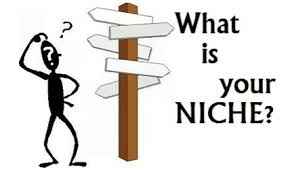
Finding your niche is about finding that sweet spot between what you are passionate about and what people are actually willing to pay for. For example, “fitness gear” is too broad. But “eco-friendly yoga mats for seniors”? Now we’re talking. That is a specific audience you can talk to.
Here is a trick I learned the hard way. Go to Amazon or eBay and look at the “Best Sellers” lists, but drill down into the sub-categories. Read the 3-star reviews. Why 3 stars? Because those people usually like the product concept but hate the execution. Maybe the material was cheap, or the sizing was off. That complaint is your business opportunity! If you can fix that one problem, you have a winning product. Also, use Google Trends to make sure interest in your topic is going up, not down. You don’t want to start a fidget spinner business in 2026.
Step 2: Choose Your Business Model (Dropshipping vs. Holding Inventory)
Okay, this is where you have to decide how hands-on you want to be. There are basically two main paths here: holding your own inventory or dropshipping.
When I started my second store, I decided to hold inventory. I bought 500 units of this bamboo kitchen organizer. My garage was packed to the ceiling! My wife was not happy, let me tell you. Every time we needed to get the lawnmower, we had to move twenty boxes. But the benefit was that I could ship it instantly, and I could put a nice little handwritten thank-you note in every package. That builds serious customer loyalty.
On the other hand, there is dropshipping. This is where a supplier ships the product directly to your customer. You never touch the box. It sounds like a dream, right? Low risk, no garage full of boxes. But here is the catch—you have zero control over shipping speed or packaging quality. I tried dropshipping for a bit, and one time a customer waited four weeks for a product that arrived in a crushed bag. I felt terrible. If you choose dropshipping, you have to be very careful about who you partner with. There is no right or wrong answer here, just what fits your lifestyle and budget better.
Step 3: Write a Solid Ecommerce Business Plan
I know, I know. “Business plan” sounds like homework. It sounds boring. But please, don’t skip this. I tried to wing it once, thinking I’d just figure out the numbers as I went along. Three months in, I realized I was actually losing $2 on every sale because I hadn’t calculated my shipping costs and transaction fees correctly. It was a disaster.

Your business plan doesn’t need to be a 50-page formal document. Just grab a notebook or open a Google Doc. You need to map out your “Unique Selling Proposition” (USP)—basically, why should anyone buy from you instead of Amazon? Maybe you offer better support, or maybe your product is locally made.
You also need to figure out your finances. How much cash do you need to start? What are your costs for the website, the product, and the marketing? If you are selling a widget for $20, and it costs you $10 to buy it, $5 to ship it, and $3 to market it, you are left with $2. Is that enough volume to make it worth your time? Writing this down keeps you honest. It’s your roadmap so you don’t drive your business off a cliff.
Step 4: Name Your Brand and Secure Your Domain
This is the fun part! But it can also be incredibly frustrating. I remember spending two weeks trying to name a coffee brand. Every cool name I thought of was already taken or cost $5,000 to buy the domain.
Keep it simple and memorable. You want something that is easy to spell. If you have to tell people, “It’s K-R-A-Z-Y but with a Q,” you’ve already lost them. I usually brainstorm about 50 names, then I immediately go to a domain registrar like GoDaddy or Namecheap to see what is available. Do not fall in love with a name until you check if the .com is available.

Also, check social media handles. You want your Instagram, TikTok, and Facebook handles to match your website if possible. Consistency builds trust. If your store is “BestShoes.com” but your Instagram is “@BestShoes_Official_99,” it looks sketchy. Once you find a name that is free, buy the domain immediately. I once hesitated on a domain name, went to sleep, and woke up the next morning to find it was gone. I’m still bitter about that one!
Step 5: Select the Right Ecommerce Platform
In 2026, we are spoiled for choice. Back in the day, you had to hire a coder to build a shopping cart from scratch. Now, you have tools like Shopify, WooCommerce, and BigCommerce.
I personally love Shopify for beginners. It’s a “hosted” solution, which means they handle the security, the hosting, and the updates. You just pay a monthly fee and focus on selling. It’s like renting an apartment where the landlord fixes the leaky sink. I use it for most of my projects because it just works.
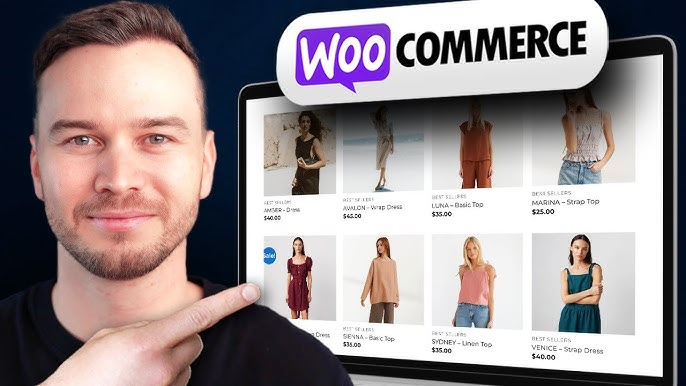
However, if you are a bit tech-savvy and want full control, WooCommerce is great. It runs on WordPress. It’s free to install, but you have to pay for hosting and manage the security yourself. It’s like owning a house—you can paint the walls whatever color you want, but you also have to mow the lawn. If you have zero technical skills, stick to Shopify or BigCommerce. You don’t want to spend your Saturday night trying to fix a database error when you could be making sales.
Step 6: Source Your Products and Vette Suppliers
This step is make-or-break. If your product is junk, your business is dead. I learned this when I tried to source leather wallets from a random supplier I found online. The pictures looked amazing! But when the sample arrived… yikes. It smelled like chemicals and felt like cardboard.
Always, always order samples. Never place a bulk order without holding the item in your hands first. Whether you are using Alibaba to find overseas manufacturers or looking for local artisans, you need to verify quality.
When you contact suppliers, act professional even if you are just one person in your pajamas. Ask questions like, “What is your production time?” and “What is your Minimum Order Quantity (MOQ)?” If a supplier takes three days to reply to a simple email, run away. Communication is key. Imagine if you have a crisis and they ghost you? You need a partner, not just a vendor. It’s a relationship game.
Step 7: Legalize It: Register Your Business and Get Permits
Okay, put your serious glasses on. Nobody likes paperwork, but getting sued or fined by the IRS is way worse. When I started, I operated as a “Sole Proprietorship” just because it was the easiest way to start. It basically means you and the business are the same person.
However, once you start making real money, you probably want to form an LLC (Limited Liability Company). This separates your personal assets from your business assets. If—heaven forbid—someone sues your business because your product broke, they can go after the business money, but they can’t take your house or your car. It gives you peace of mind.
You also need to look into Sales Tax. In the US, the laws regarding internet sales tax have gotten really strict. You generally need a permit to collect tax in the state where you live. It’s confusing, I admit. I use software like TaxJar now to handle it because doing it manually made me want to pull my hair out. Don’t ignore this; the tax man always collects eventually.
Step 8: Build Your Online Store and Optimize Product Pages
Now we build! Your website is your digital storefront. Think about when you walk into a messy, dark physical store. You walk right out, right? The same happens online.
Your photos are the most important thing. Since customers can’t touch the product, the photo has to do the work. I used to try and take photos with my old phone on my kitchen table, and they looked… amateur. Invest in a simple light box or hire a pro for a day. It pays for itself.
Write product descriptions that actually speak to the human. Don’t just list specs like “100% cotton.” Say “Soft, breathable cotton that feels like a hug on a Sunday morning.” See the difference? Also, make sure your site works on mobile. Most people in 2026 are buying from their phones while sitting on the bus or waiting for coffee. If your buttons are too small to tap, you lose the sale. Google also hates sites that aren’t mobile-friendly, so you won’t rank in search results either.
Step 9: Set Up Shipping and Payment Gateways
Getting paid is the goal, so make it easy for people to give you money. Most platforms integrate easily with Stripe and PayPal. I suggest offering both. Some people have money in their PayPal balance and hate getting up to find their credit card. If you let them use PayPal, you just removed friction.
Shipping is where profit margins often go to die. You have a few strategies here. You can pass the full cost to the customer, but people hate paying for shipping. It’s psychological. I usually prefer to bump up my product price by $5 and offer “Free Shipping.” It feels like a deal to the customer, even if the total price is the same.
Also, you need a return policy. Make it visible. If people can’t find your return policy, they assume you are a scam. I made my return policy super simple: “30 days, no questions asked.” It builds trust. Sure, you get a few returns, but you get way more sales because people feel safe buying.
Step 10: Launch Your Marketing Strategy and Go Live
You built it! Now… where is everybody? This is the “Field of Dreams” myth. Just because you build it, they will not come. You have to drag them there.

You need a mix of traffic sources. SEO (Search Engine Optimization) is great—that’s using keywords so Google finds you—but it takes months to kick in. For quick wins, I usually start with paid ads on Facebook or Instagram. You don’t need a huge budget; I’ve started campaigns with $5 a day just to test which images get clicks.
Don’t forget email marketing. It’s old school, but it works. Collect emails from day one. offer a 10% discount code if they sign up for your newsletter. I ignored my email list for the first year of my business, and I regret it so much. Email is an asset you own. If Instagram changes its algorithm tomorrow, you still have your email list.
Conclusion
Starting an ecommerce business is a journey. It’s a rollercoaster of high highs and some stressful lows. There will be days when you wonder why you started, and days when you see a stranger post a photo of your product online and you feel like a rockstar.
The most important thing is just to start. You will never have a perfect plan. You will learn more in your first month of actually selling than you will in a year of reading articles. So, take that first step. Pick your niche, buy that domain, and get going.
I’d love to hear what you are planning to build! Drop a comment below with your store idea or any questions you have. Let’s build something awesome in 2026.