Introduction
Did you know that YouTube has more than 2.7 billion monthly active users? That’s a massive audience—and an incredible opportunity! Whether you’re looking to earn a side income or build a full-time business, learning how to make money on YouTube has never been more accessible.
I’ve seen creators start with nothing more than a smartphone and a great idea, then grow into profitable businesses through consistency, creativity, and smart monetization. The good news? You don’t need millions of subscribers to start earning. From ad revenue and affiliate marketing to selling digital products and securing sponsorships, there are multiple ways to generate income on the platform.
In this guide, we’ll explore the best strategies for making money on YouTube in 2026, how the YouTube monetization system works, and practical tips to help you maximize your revenue while growing a loyal audience.
What Does It Mean to Make Money on YouTube?
When I first started out, I honestly thought YouTube was just a place where you upload videos of your dog and hope it goes viral. Boy, was I wrong about that one. Over the years, I’ve learned that this platform is actually a massive business ecosystem. Think of your channel less like a TV show and more like a digital storefront where you control the real estate.
Creator monetization basically means turning those eyeballs into dollar bills. You aren’t just getting paid for views; you are creating digital assets that work for you 24/7. When you sleep, someone in another time zone is watching your stuff, which is pretty wild to think about. That is the classic definition of passive income, where old videos keep bringing in cash months or years down the line. Active income, on the other hand, is when you have to show up, like doing a live stream or consulting with a client.
Honestly, even with all the new apps popping up, this platform remains one of the absolute best online income opportunities out there. The search engine backbone means your content has a real shelf life, unlike other apps where your post disappears into a black hole after a few hours. But let’s keep it real for a second because I see too many beginners burn out. Realistic income expectations are key here. You probably won’t be buying a mansion in your first six months, and that’s totally normal. It takes time to build momentum, but once the snowball starts rolling, it gets really fun.
How the YouTube Partner Program (YPP) Works
Let me tell you about the time I thought I hit the jackpot because a video got ten thousand views, only to realize I hadn’t even signed up for the partner program yet. Talk about a facepalm moment. The YouTube Partner Program, or YPP, is the official gatekeeper that lets you actually split the cash that advertisers pay the platform. They have changed the rules a bit over the years to help smaller creators get a foot in the door, which is awesome.
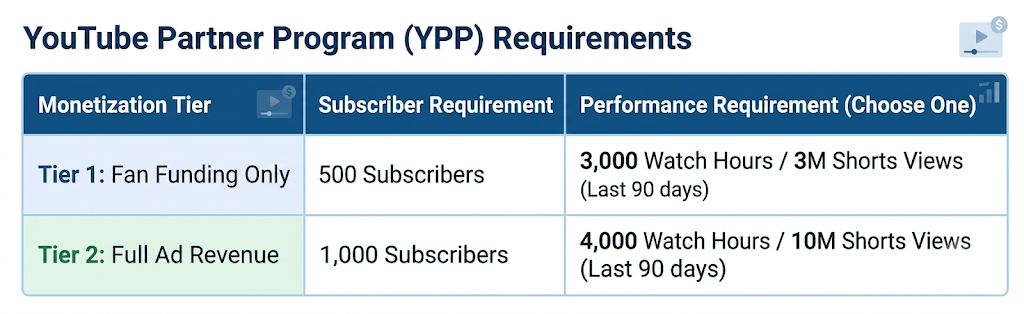
Right now, there’s a two-tier system for eligibility requirements that you need to know inside out. To unlock the first level—which gives you fan funding tools like memberships and supers—you need 500 subscribers, 3 public uploads in the last 90 days, and either 3,000 watch hours over the past year or 3 million Shorts views in the last 90 days. But if you want that sweet, sweet ad revenue, you still gotta hit the big leagues: 1,000 subscribers and either 4,000 valid public watch hours or 10 million Shorts views. It sounds like a mountain, but it’s totally doable if you just keep grinding.
Important Note: Make sure your account policies are squeaky clean. If you have active community guidelines strikes, you’re going to get stuck at the door. Oh, and enable two-step verification on your Google account, or they won’t even let you apply.
Once you hit the numbers, the approval process is pretty straightforward but requires some patience. You just head over to the Earn tab in your Studio dashboard and hit apply. They do a manual review to make sure you aren’t just stealing other people’s clips, which usually takes about a month. Just keep uploading while they look it over, and don’t panic if it takes a couple of weeks to hear back.
Earn Money Through YouTube Ad Revenue
Ah, ad revenue—the holy grail that every new creator chases. When those first few cents started rolling into my Google AdSense account, I felt like an absolute tech mogul, even if it was only enough to buy a bad cup of coffee. The way it works is that different types of YouTube ads run on your videos, like those skippable pre-rolls or the mid-rolls that pop up right during the climax of your story.
To really understand your paycheck, you have to grasp the difference between CPM and RPM. CPM is what advertisers pay for a thousand impressions, but RPM is your actual take-home pay per thousand views after the platform takes its 45% cut. So, if you hear people bragging about their high CPM, remember that RPM is the number that actually pays the bills. There are a ton of factors affecting ad earnings, but the biggest one by far is your target audience’s location and what niche you are in.
If you want the big bucks, you want to be in high-paying niches like personal finance, technology, or business. Advertisers are willing to shell out serious cash to show their products to people who are looking to buy software or invest money. My best tips for increasing ad revenue? Make videos longer than eight minutes so you can manually place mid-roll ads. Just don’t spam them, or your viewers will run for the hills. A common mistake to avoid is cursing in the first thirty seconds of your video, because the algorithm will immediately slap a yellow icon on it and limit your ads, which totally kills your earnings.
Make Money with Affiliate Marketing
If you’re tired of waiting around for the YouTube algorithm to grant you full ad revenue access, affiliate marketing is your absolute best friend. I remember when I made my first dollar online; it wasn’t from a video view at all. It came because someone bought a desk lamp I recommended in my description box, which honestly blew my mind. Affiliate marketing is basically when you recommend a product, share a special link, and get a kickback when a viewer buys it.
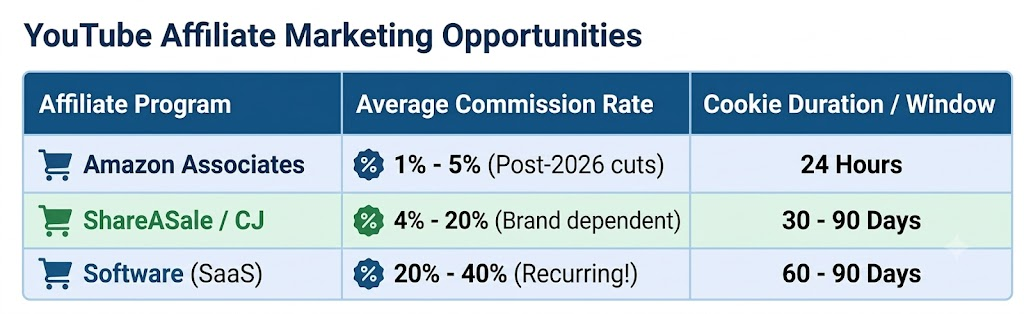
When it comes to the best affiliate programs for YouTubers, most folks start out with Amazon Associates because everyone trusts them. Just be careful though, because Amazon quietly restructured their payouts, cutting commissions by up to 50% in major categories and narrowing attribution strictly to the promoted item. Because of that, I always tell creators to diversify into networks like ShareASale, CJ Affiliate, or direct software partnerships that offer recurring income.
To really crush it, you want to focus heavily on product review videos and detailed tutorial videos. People watching those have their credit cards out and are ready to pull the trigger. Make sure you add those links neatly in your video descriptions and pin them in the top comment too. But listen up, because the law don’t mess around here: FTC disclosure requirements are super strict now. You can’t just hide a tiny hashtag at the bottom; you gotta tell your audience straight up, both verbally and in writing, that you earn a commission if they click.
Get Paid Through Brand Sponsorships
Getting your first brand sponsorship feels like winning an Olympic medal, no joke. I remember pacing around my room when a camera gear company emailed me, terrified I’d say the wrong thing and scare them off. Sponsorships are basically when a company pays you a flat fee to talk about their product for 30 to 60 seconds inside your video.

The biggest myth out there is that you need a massive following to start finding sponsors. Brands actually love “micro-influencers” because smaller audiences are usually way more engaged and loyal. To get their attention, you need to create a professional media kit, which is just a one-page document showing your stats, audience demographics, and contact info.
When you start negotiating sponsorship deals, do not let them lowball you based on view count alone. Pitch the value of your niche audience, and always get everything in writing with a clear contract before you hit record. For sponsored content best practices, make sure the product actually fits your channel, or your viewers will call you a sellout in two seconds flat. If you do a killer job and over-deliver on the deliverables, those one-off deals can easily turn into long-term brand partnerships that stabilize your monthly income.
Sell Your Own Products and Services
Relying entirely on third-party companies for your income can be a total rollercoaster ride, which is why selling your own stuff is the ultimate goal. I learned this the hard way when an affiliate program I loved shut down overnight, wiping out half my monthly earnings. When you sell your own products, you keep 100% of the profit margins, and nobody can pull the rug out from under you.
Digital products are an absolute dream for content creators because you create them once and sell them a million times. We are talking about things like online courses, e-books, or downloadable templates that solve a specific problem for your audience. If you talk about fitness, sell a workout plan; if you teach photography, sell your custom editing presets.
Pro Tip: If you aren’t ready to build a digital course, look into print-on-demand merchandise. You can design t-shirts or mugs for your fanbase, and a third-party company handles all the printing and shipping, leaving you zero inventory risk.
For creators who want to make money fast, offering consulting services or freelancing is the quickest route. Your YouTube channel acts as a living portfolio that proves you know your stuff to potential clients. Once you build a core group of super-fans, you can transition them into paid membership communities using platforms like Discord or custom sites.
Generate Revenue with YouTube Memberships
If you want a predictable monthly income instead of riding the crazy waves of ad revenue, channel memberships are where it’s at. This feature allows your most loyal fans to pay a recurring monthly fee to support your work directly. I remember launching mine with tons of anxiety, thinking nobody would join, but people genuinely love supporting the creators they watch every week.
The key to a successful membership program is offering irresistible membership perks that don’t take up all your free time. Great ideas include custom loyalty badges, exclusive emojis for live chat, behind-the-scenes vlogs, or early access to your main videos.
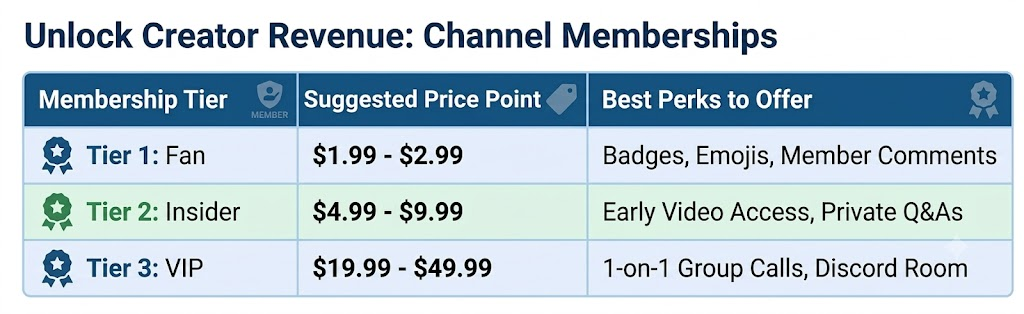
When designing your pricing strategies, keep the entry barrier low—around two or three bucks—so it is a no-brainer for most people. Retaining members over the long haul requires consistent value and real, authentic community engagement. Use your community tab constantly to post member-only polls, updates, and shoutouts to make them feel like they are part of an exclusive club.
Earn from Super Chat, Super Thanks, and Live Streaming
Live streaming is an absolute blast, but it is also a highly lucrative monetization strategy if you know how to work the room. When you go live, you are interacting with your audience in real-time, which builds crazy high levels of trust. The platform gives you built-in tools like Super Chat and Super Stickers, which allow viewers to pay money to highlight their messages during the broadcast.
I still remember my first live stream where a viewer dropped a fifty-dollar Super Chat just to ask a question about camera settings. It completely blew my mind and showed me how generous a community can be when you provide real value. If you don’t stream often, you can still earn from Super Thanks, which lets viewers tip you on regular, uploaded videos.
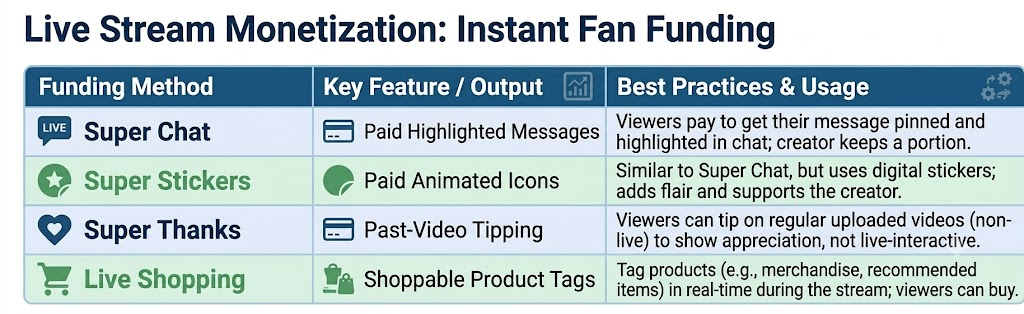
Another massive opportunity is hosting dedicated Q&A sessions where you answer burning questions while utilizing live shopping opportunities. You can actually tag products right inside the live interface so viewers can buy them without leaving the stream. Just remember to keep the energy high and always shout out the people who send tips, because a little appreciation goes a long way.
Monetize with YouTube Shorts
If you are ignoring short-form content, you are leaving an absolute ton of exposure and money on the table. YouTube Shorts matter big time because the algorithm pushes them out to millions of people who have never heard of your channel before. It is honestly the fastest way to increase YouTube subscribers and get your brand noticed in record time.

Shorts monetization works a bit differently than long-form videos, as the ad revenue is pooled together and distributed based on your share of total views. The payouts per view are definitely smaller, but the massive volume of views can really add up over a month.
A smart shorts content strategy involves repurposing long-form videos into bite-sized, 30-second clips that hook people instantly. Use the built-in “Related Video” feature to link your Short directly back to your longer tutorial, creating a powerful traffic funnel. Focus heavily on a killer hook in the first two seconds, and use snappy captions so people keep watching even if their sound is muted.
Build Multiple Income Streams Beyond YouTube
One of the biggest mistakes I ever made was treating this platform like my entire business instead of just the front door. If the algorithm tweaks something tomorrow and your views drop, your income shouldn’t collapse along with it. The most successful creators build multiple income streams beyond the platform to protect their business long-term.
Your number one priority should be email marketing, because owning an email list means you can reach your audience directly whenever you want. Use your videos to drive people to a free download or template, and capture their email addresses in exchange.
Diversification Checklist:
- Build a companion blog to capture Google search traffic.
- Launch a podcast to connect with listeners on their daily commutes.
- License your high-quality video footage to media companies.
- Explore public speaking opportunities within your specific industry niche.
You can also look into Patreon alternatives or building exclusive communities on platforms that you fully control. By spreading your revenue across ads, products, sponsors, and email funnels, you create a recession-proof business that can stand the test of time.
Best YouTube Niches That Make the Most Money
Let’s talk about a major trap that catches way too many beginners: picking a niche just because it’s easy. I spent months making gaming videos years ago, only to realize I was making pennies because the advertisers in that space don’t pay much. If you want to maximize your earnings, you need to target high CPM niches where advertisers spend top dollar.
Personal finance, investing, and business are the absolute heavyweights when it comes to high RPM numbers. Companies like banks and investment apps are desperate to get in front of people who have money to spend or invest.
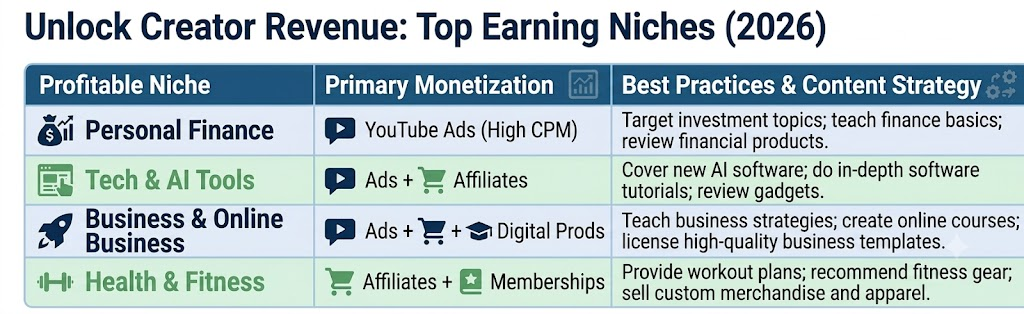
Technology, software tutorials, and teaching people how to use AI tools are also incredibly profitable right now. Advertisers will happily pay huge premiums for tutorials because viewers are often looking for software recommendations they can buy instantly. Other solid options include digital marketing, health and fitness, and online business productivity. Just make sure you pick something you actually enjoy, because talking about finance when you hate math will drive you crazy real fast.
Tips to Grow Your YouTube Channel Faster
Growing a channel can feel like screaming into a void at first, but there is a definite science to mastering the YouTube algorithm. The foundation of everything is solid SEO optimization and deep keyword research before you ever hit the record button. You need to figure out exactly what phrases your target audience is typing into the search bar.
Your title and thumbnail design are the two most important factors for increasing your click-through rate (CTR). If your thumbnail is boring, nobody clicks, and the algorithm stops showing your video to new people, period.
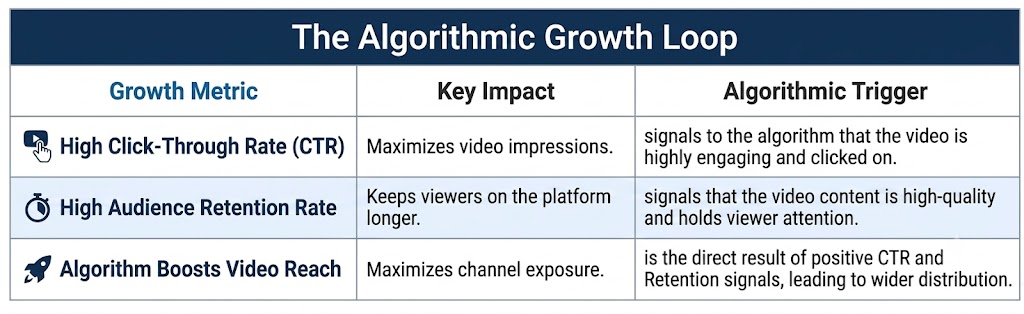
Once people click, you have to maintain high audience retention by using great storytelling and cutting out any boring fluff. Keep a strict upload schedule so your fans know exactly when to expect your new content every week. Dive deep into your YouTube analytics to see exactly where people are clicking away, and use that data to make your next video even better.
Common Mistakes That Prevent Creators from Making Money
I have made almost every single blunder in the book, so learn from my pain here so you don’t waste months of hard work. The biggest dream killer out there is inconsistent uploads, because the algorithm completely forgets you exist if you vanish for weeks at a time. Another massive error is ignoring SEO and using vague titles that nobody is actually searching for online.
Too many folks focus on buying expensive gear while completely neglecting poor thumbnails and weak video quality, especially bad audio. If your audio sounds like you are recording inside a tin can, people will click away in less than five seconds.
Critical Mistake: Depending only on AdSense is a massive trap that keeps creators broke. If you don’t build multiple streams like affiliates or sponsors, you are leaving thousands of dollars on the table.
Lastly, always stay updated on platform guidelines so you don’t end up violating YouTube policies by accident. A single copyright strike or reused content violation can completely dismantle your monetization status instantly. Treat your channel like a real, professional business from day one, and you will sidestep the pitfalls that crush most amateur creators.
Frequently Asked Questions About Making Money on YouTube
How many subscribers do I need?
You need 500 subscribers to unlock fan funding features like Super Chats and channel memberships. To get paid from regular video ads, you need a minimum of 1,000 subscribers.
How much does YouTube pay?
It varies wildly based on your niche and audience location, but most creators earn between $2 and $20 per 1,000 views. High-paying niches like finance can go much higher.
Can beginners make money?
Absolutely, especially if you focus on affiliate marketing or selling digital products right from the start instead of waiting for ad revenue.
Is YouTube still profitable in 2026?
Yes, it is more profitable than ever because companies are shifting their massive TV ad budgets over to digital video platforms and creators.
How long does monetization take?
For most creators who upload high-quality videos consistently, it takes about 6 to 12 months to hit the official requirements.
Which niche earns the most?
Personal finance, investing, business software, and digital marketing tutorials consistently command the highest ad payouts on the internet.
Can Shorts make money?
Yes, they do make money through the Shorts Creator Pool, but they are mostly used to rapidly grow your subscriber count and funnel traffic to long videos.
How often should I upload?
Aim for one or two high-quality long-form videos per week, and sprinkle in a few Shorts to keep the algorithm happy without burning yourself out.
Conclusion
Making money on YouTube isn’t about going viral overnight—it’s about building a valuable content library, understanding your audience, and diversifying your income streams. Whether you start with YouTube ads, affiliate marketing, sponsorships, or your own products, every successful creator begins with consistent action.
The most profitable YouTubers treat their channels like businesses. They focus on creating valuable content, optimizing videos for search, analyzing performance, and continuously improving. If you’re ready to turn your passion into profit, now is the perfect time to start. Publish your first—or next—video, apply these strategies consistently, and build a sustainable YouTube income in 2026.